
Choosing the right fabric is one of the most important steps in any DIY, sewing, craft, or design project. With so many materials available cotton, satin, silk, velvet, chiffon, minky, faux fur, nylon spandex, and more - it can be challenging to understand what sets each one apart. But among all these options, felt fabric stands out as one of the oldest, most versatile, and most unique fabrics ever created.
Felt cloth fabric is widely used for crafts, decorations, accessories, costumes, home décor, and even industrial applications. Its structure, performance, and usability make it different from woven and knitted fabrics in many ways.
This detailed guide will help you understand what makes felt unique, how felt fabric material compares to other popular fabrics, and how to choose the right fabric for your next project.
What Is Felt Fabric?
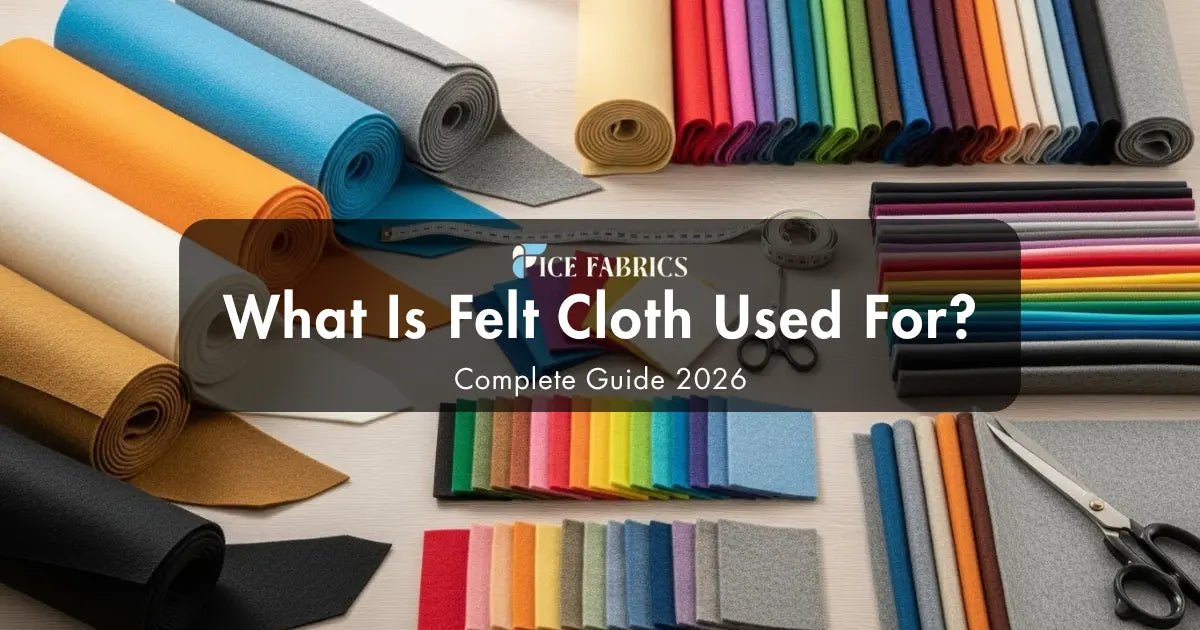
Felt fabric is a non-woven textile made by compressing and matting fibers together using heat, moisture, and pressure. Traditionally, felt was made from wool fibers, but modern felt also includes synthetic fibers like polyester and acrylic.
Key Features of Felt Fabric
- Non-woven structure (no warp or weft)
- Soft yet firm texture
- Easy to cut without fraying
- Highly durable and stable
- Great for crafts, décor, and accessories
- Affordable and available in many thicknesses
Because felt cloth material is dense and structured, it’s perfect for projects that need shape, support, and durability.
Types of Felt Fabric
Felt fabric comes in various types, each with unique properties suited for different crafting, industrial, and decorative applications. Understanding the different types of felt helps you choose the right material for your project, whether you're creating handmade crafts, home décor, or professional garments.
Wool Felt Fabric
Wool felt is made from natural animal fibers and is the highest quality felt available. Known for its durability, softness, and rich texture, wool felt is ideal for premium crafts, appliqué work, and heirloom projects that require long-lasting materials.
Acrylic Felt Fabric
Acrylic felt is a synthetic, budget-friendly option that's widely available at craft stores nationwide. It's perfect for beginners, kids' crafts, and projects where cost-effectiveness matters more than premium quality, though it may pill or wear faster than wool felt.
Wool Blend Felt Fabric
Wool blend felt combines natural wool with synthetic fibers like rayon or acrylic for a balanced option. This type offers better quality than pure acrylic while remaining more affordable than 100% wool, making it popular for intermediate crafters across the United States.
Polyester Felt Fabric
Polyester felt is a durable synthetic option that resists moisture and maintains its shape well. Commonly used for industrial applications, outdoor projects, and commercial crafts, polyester felt is available at fabric stores throughout major cities and online retailers.
Rayon Felt Fabric
Rayon felt offers a silky, smooth texture with excellent drape and is often blended with wool for premium crafting. Popular among sewers and crafters in creative hubs, rayon felt provides a luxurious feel for fashion accessories, costume design, and decorative projects.
Pressed Felt Fabric
Pressed felt, also known as industrial felt, is created through heat and pressure for maximum density and durability. This heavyweight option is used for padding, gaskets, soundproofing, and industrial applications, available from specialty suppliers and commercial fabric distributors.
Needle Felt Fabric
Needle felt is created by mechanically interlocking fibers using barbed needles, resulting in a firm, stable material. Widely used for sculpting, 3D fiber art, and craft projects, needle felting supplies are available at craft stores and online shops serving creative communities nationwide.
Eco Felt Fabric
Eco felt is made from recycled plastic bottles or sustainable natural fibers, appealing to environmentally conscious crafters. Growing in popularity across eco-friendly markets and green craft stores, this sustainable option offers guilt-free crafting without compromising quality.
Stiffened Felt Fabric
Stiffened felt is treated with sizing or starch to create a rigid, shape-holding material. Perfect for structured crafts like bags, boxes, ornaments, and standing decorations, this type is favored by crafters looking for projects that maintain their form.
Bamboo Felt Fabric
Bamboo felt is an eco-friendly alternative made from bamboo fibers, offering natural antibacterial properties. This sustainable option is gaining traction in environmentally conscious crafting communities and is available through specialty online retailers and green fabric stores.
Merino Wool Felt Fabric
Merino wool felt is premium-grade felt made from fine merino sheep wool, prized for its ultra-soft texture. Popular among professional fiber artists and high-end crafters, merino felt is ideal for baby items, wearable art, and luxury handmade goods.
Craft Felt Fabric (Standard)
Craft felt is the most common type found in hobby stores, typically made from acrylic or low-grade wool blends. Affordable and available in countless colors at retailers nationwide, it's the go-to choice for school projects, kids' activities, and casual crafting.
Industrial Wool Felt Fabric
Industrial wool felt is heavyweight, dense felt used for machinery padding, polishing, and technical applications. Available through specialized industrial suppliers and manufacturing distributors, this professional-grade material serves commercial and mechanical purposes beyond crafting.
Adhesive-Backed Felt Fabric
Adhesive-backed felt comes with a peel-and-stick backing for easy application without gluing or sewing. Convenient for quick projects, furniture pads, and no-sew crafts, this innovation is widely available at hardware stores and craft retailers across North America.
Washable Felt Fabric
Washable felt is specially treated to withstand laundering without shrinking or losing shape. Essential for items like children's toys, bags, and wearable accessories, this practical option is increasingly available from quality fabric suppliers and online craft stores.
What Makes Felt Cloth Material Unique?
Unlike cotton, satin, silk, lace, or velvet, felt does not fray, does not require hemming, and maintains its shape extremely well. Its dense construction gives it a firmness that woven fabrics cannot replicate.
Unique Qualities That Set Felt Apart
- Cut edges stay clean
- Excellent structure and stiffness
- Absorbs sound (great for acoustic décor)
- Can be glued or sewn easily
- Available in multiple thicknesses
- Ideal for precision craft work
These qualities make felt fabric material a top choice for crafters, educators, interior designers, and costume makers.
Felt Fabric vs Cotton Fabric
Felt fabric is a non-woven material made from compressed fibers that doesn't fray when cut, making it ideal for no-sew crafts and structured projects. Cotton fabric, on the other hand, is a woven natural fiber that's breathable, washable, and perfect for clothing, quilting, and items requiring flexibility and drape.
How They Compare:
- Structure: Felt is thick and structured; cotton is flexible and lightweight.
- Fraying: Cotton must be hemmed; felt does not fray.
- Use Cases: Cotton suits clothing; felt suits crafts, décor, and accessories.
- Durability: Felt is more durable in shapes and stiff projects; cotton stretches and softens.
Best Uses:
- Cotton: Shirts, dresses, quilts
- Felt: Toys, home décor, ornaments, coasters, bags
If you need something stiff or decorative, felt wins.
Felt Fabric vs Minky Fabric
Felt fabric is a firm, non-woven material with a matte finish that holds its shape well, making it perfect for structured crafts, ornaments, and appliqué work. Minky fabric is an ultra-soft, plush woven material with a luxurious pile that's ideal for blankets, baby items, and cozy projects requiring warmth and comfort.
Differences:
- Texture: Felt is firm; minky is fluffy and stretchy.
- Purpose: Felt is for structure; minky is for comfort.
- Care: Felt resists pilling; minky requires gentle washing.
Best Uses:
- Minky: Baby blankets, stuffed animals
- Felt: Detailed crafts, appliqués, ornaments
These two fabrics rarely compete, as they serve completely different needs.
Felt Fabric vs Faux Fur Fabric
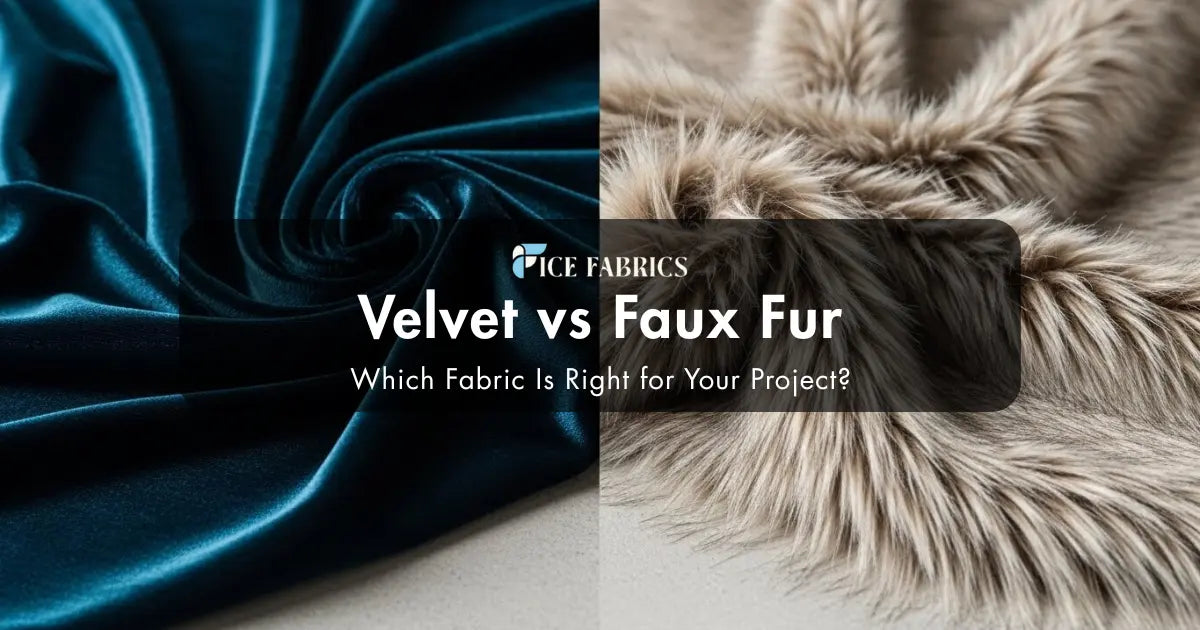
Felt fabric is a smooth, dense non-woven material with a flat surface that's easy to cut and sew for crafts, accessories, and structured projects. Faux fur fabric features a thick, fluffy pile that mimics animal fur, making it ideal for cozy garments, plush toys, and winter accessories requiring warmth and texture.
Differences:
- Appearance: Faux fur is fluffy; felt is smooth and flat.
- Use Cases: Faux fur is for coats, throws, and trims; felt is for crafts and décor.
- Cutting: Faux fur requires careful cutting; felt cuts cleanly.
Best Uses:
- Faux Fur: Winter wear, blankets
- Felt: Wall décor, organizers, signage
Faux fur provides luxury; felt provides precision.
Felt Fabric vs Nylon Spandex Fabric
Felt fabric is a thick, non-woven material with no stretch that maintains its shape, making it perfect for crafts, decorations, and structured projects. Nylon spandex fabric is a stretchy, lightweight woven material with excellent elasticity and moisture-wicking properties, ideal for activewear, swimwear, and athletic garments requiring flexibility and movement.
Differences:
- Stretch: Felt is non-stretch; nylon spandex is extremely stretchy.
- Purpose: Felt creates shapes; nylon spandex forms to the body.
- Sewing: Felt is easy to sew; spandex requires advanced handling.
Best Uses:
- Nylon Spandex: Leggings, swimwear, dancewear
- Felt: Costumes, accessories, craft projects
If flexibility is key, spandex wins but if you need structure, felt is unbeatable.
Felt Fabric vs Satin Fabric
Felt fabric is a soft, matte non-woven material with a sturdy structure that's ideal for crafts, appliqué, and projects requiring shape retention without fraying. Satin fabric is a glossy, smooth woven material with a luxurious sheen and elegant drape, perfect for formal wear, bridal gowns, and high-end home décor requiring sophistication and flow.
Differences:
- Texture: Felt is matte and dense; satin is silky and glossy.
- Durability: Felt is tough; satin snags easily.
- Usage: Satin is for formal garments; felt is for crafts and utility.
Best Uses:
- Satin: Dresses, formal wear
- Felt: Crafts, props, table décor
These fabrics rarely overlap in purpose.
Felt Fabric vs Silk Fabric
Felt fabric is a thick, non-woven material with a matte finish and firm structure, making it perfect for sturdy crafts, toys, and decorative projects that need to hold their shape. Silk fabric is a delicate, luxurious woven natural fiber with a lustrous sheen and fluid drape, ideal for elegant garments, scarves, and high-end fashion requiring softness and breathability.
Differences:
- Weight: Felt is heavy and stable; silk is light and flowy.
- Care: Felt is low maintenance; silk is delicate.
- Purpose: Silk is fashion-focused; felt is craft-focused.
Best Uses:
- Silk: Scarves, dresses, high-end apparel
- Felt: Craft sheets, appliqués, décor
Silk shines in fashion; felt shines in structure.
Felt Fabric vs Velvet Fabric
Felt fabric is a firm, non-woven material with a smooth, flat surface that's easy to cut and manipulate for crafts, ornaments, and structured projects. Velvet fabric is a luxurious woven material with a soft, dense pile that creates a rich texture and elegant appearance, perfect for upholstery, evening wear, and opulent home décor requiring sophistication and depth
Differences:
- Look: Velvet is glamorous; felt is simple and matte.
- Thickness: Velvet is soft; felt is dense and firm.
- Function: Velvet suits fashion and décor; felt suits crafts and accessories.
Best Uses:
- Velvet: Upholstery, dresses, costumes
- Felt: Banners, coasters, kids’ crafts
Velvet elevates style, while felt elevates creativity.
Read More: Felt vs Velvet: What is the Difference Between Felt and Velvet?
Felt Fabric vs Chiffon Fabric
Felt fabric is opaque, thick, and provides excellent coverage while requiring no hemming since it doesn't unravel when cut. Chiffon fabric is sheer, lightweight, and nearly transparent with a delicate floating quality, requiring careful handling and finished edges to prevent fraying in elegant, flowing garments.
Differences:
- Transparency: Chiffon is see-through; felt is solid.
- Structure: Chiffon drapes; felt stands firm.
- Durability: Felt is sturdy; chiffon is very delicate.
Best Uses:
- Chiffon: Dresses, scarves, overlays
- Felt: Letters, cutouts, arts and crafts
These materials serve entirely different design purposes.
Felt Fabric vs Sheer Fabric
Felt fabric is dense and provides full coverage, blocking light completely while offering substantial weight and body to projects. Sheer fabric is transparent and allows light to pass through, creating an airy, delicate appearance perfect for layering and adding subtle elegance to garments.
Differences:
- Opacity: Sheer fabrics are transparent; felt is opaque.
- Applications: Sheers are decorative; felt is functional.
Best Uses:
- Sheer Fabric: Curtains, veils
- Felt: Storage bins, table décor, crafts
Both are unique but noncompetitive.
Felt Fabric vs Poplin Fabric
Felt fabric has a soft, fuzzy texture with no visible weave pattern and works well for crafts that need stiffness. Poplin fabric has a tight, smooth weave with a crisp finish that breathes well, making it popular for dress shirts, summer dresses, and lightweight clothing.
Differences:
- Texture: Poplin is thin; felt is thick.
- Construction: Poplin is woven; felt is non-woven.
- Use Cases: Poplin is for clothing; felt is for crafts.
Best Uses:
- Poplin: Dresses, shirts
- Felt: Wall art, toys, appliqués
Poplin is practical; felt is creative.
Felt Fabric vs Muslin Fabric
Felt fabric is warm and insulating, trapping heat within its dense fibers, making it suitable for cold-weather projects and cozy items. Muslin fabric is cool and highly breathable with a loose, plain weave that allows air circulation, perfect for practice garments, linings, and hot-weather clothing.
Differences:
- Weight: Muslin is airy; felt is dense.
- Purpose: Muslin is for patterns and clothing prototypes; felt is for crafts.
Best Uses:
- Muslin: Mock-ups, lining
- Felt: Costumes, toys, décor
Muslin helps you practice the idea, but felt brings the final creation to life.
Felt Fabric vs Lace Fabric
Felt fabric is solid and smooth with a uniform surface that provides complete coverage and easy workability for simple projects. Lace fabric features intricate openwork patterns with decorative holes and delicate designs, requiring careful handling and often used as an overlay to add romantic, ornamental detail to garments and décor.
Differences:
- Appearance: Lace is patterned and open; felt is solid.
- Durability: Lace tears easily; felt is sturdy.
- Use: Lace is seen in fashion; felt is used in crafting.
Best Uses:
- Lace: Bridal wear, accessories
- Felt: Practical crafts, children’s toys
They don’t compete at all; they complete each other in the creative process.
Felt Fabric vs Sequin Fabric
Felt fabric has a soft, quiet texture that's comfortable against skin and easy to work with using basic tools. Sequin fabric is covered with shiny, reflective discs that create sparkle and glamour, but requires special needles for sewing and can be scratchy, making it ideal for statement pieces and performance costumes.
Differences:
- Look: Sequin fabric is shiny and eye-catching; felt is matte.
- Use Cases: Sequins are for stage costumes; felt is for crafts.
Best Uses:
- Sequin Fabric: Party wear, dance costumes
- Felt: Educational crafts, décor
Sequin fabric steals the spotlight, but felt delivers clean, uncomplicated charm.
Felt Fabric vs Taffeta Fabric
Felt fabric is quiet and absorbs sound while maintaining a casual, matte appearance suitable for everyday crafts and practical items. Taffeta fabric is crisp and makes a distinctive rustling sound when moved, with a shiny surface that creates dramatic volume and structure in formal gowns and elegant evening wear.
Differences:
- Structure: Taffeta is stiff but delicate; felt is stiff and durable.
- Purpose: Taffeta suits formal clothing; felt suits craft and utility.
Best Uses:
- Taffeta: Evening gowns, skirts
- Felt: Bags, crafts, organizers
Taffeta brings formal beauty, while felt brings creative freedom.
Learn More: What is Felt Fabric Made Of? A Complete Guide
Why Felt Fabric Stands Out in the Crafting World
Felt fabric stands out because it’s simple, flexible, and easy for anyone to use. It doesn’t fray, cuts cleanly, and works well with sewing or gluing, making it perfect for fast, neat projects. With many colors and styles especially felt fabric by the yard, it fits everything from school crafts to décor and small accessories. Its low cost and dependable durability make it a favorite choice for makers of all skill levels.
Key Reasons Felt Fabric Stands Out
- No-Fray Structure for Effortless Crafting
- Exceptionally Easy to Cut and Shape
- Strong, Durable, and Long-Lasting
- Compatible with Sewing, Gluing, and Embellishing
- Affordable and Available in Many Types
Felt Fabric and Its Role in Home Décor
Felt fabric is a versatile choice for home décor because it adds texture, color, and durability to any space. Its dense, non-fraying nature makes it perfect for items like coasters, table runners, drawer liners, and wall panels that need structure and longevity. Felt by the yard allows crafters to customize size and color to match any interior style.
Beyond practicality, felt also enhances creativity in décor. It’s ideal for making decorative storage baskets, felt flowers, holiday ornaments, and even acoustic wall panels. Its soft texture and wide range of colors let designers create cozy, stylish, and functional pieces that stand out while remaining easy to maintain.
Where to Get Premium Wholesale Felt Fabric
Whether you need felt fabric by the yard for small DIY projects or wholesale felt fabric for bulk production, choosing a reliable supplier is essential. High-quality felt ensures better durability, color richness, and long-lasting results.
For premium felt cloth fabric and a wide selection of other materials, Ice Fabrics offers top-quality options suited for all types of creative and professional projects.
Frequently Asked Questions
Does felt fabric fray like other fabrics?
No, felt fabric doesn't fray or unravel when cut because it's a non-woven material made from compressed fibers rather than interlocking threads. This unique quality eliminates the need for hemming or edge finishing, making it perfect for quick crafts and beginner-friendly projects.
Can you wash felt fabric like cotton or polyester?
Most felt fabrics, especially wool felt, should not be machine washed as they can shrink, lose shape, or become stiff. However, some synthetic felts and specially treated washable felts can handle gentle washing, though spot cleaning is generally recommended for maintaining quality and longevity.
Is felt fabric stretchy or does it have any give?
Felt fabric has minimal to no stretch compared to knit fabrics, maintaining its shape and structure throughout use. This lack of elasticity makes felt ideal for projects requiring stability and form, such as ornaments, bags, and decorations that need to hold their shape.
Why is felt fabric thicker than most other craft fabrics?
Felt's thickness comes from its dense, matted construction where fibers are compressed together rather than woven, creating a substantial material. This extra body and weight give felt superior structure and durability compared to thin woven fabrics, making it perfect for standalone projects without backing.
Can felt fabric be sewn on a regular sewing machine?
Yes, felt fabric is easy to sew on regular sewing machines and even by hand since its edges don't fray and it doesn't slip easily. The material's stability and forgiving nature make it one of the easiest fabrics for beginners to work with, requiring no special equipment or advanced techniques.
Follow us on Facebook and Instagram for daily fabric inspiration, exclusive deals, craft tutorials, and behind-the-scenes content from our store. Join our creative community and never miss new arrivals, seasonal trends, or special promotions!