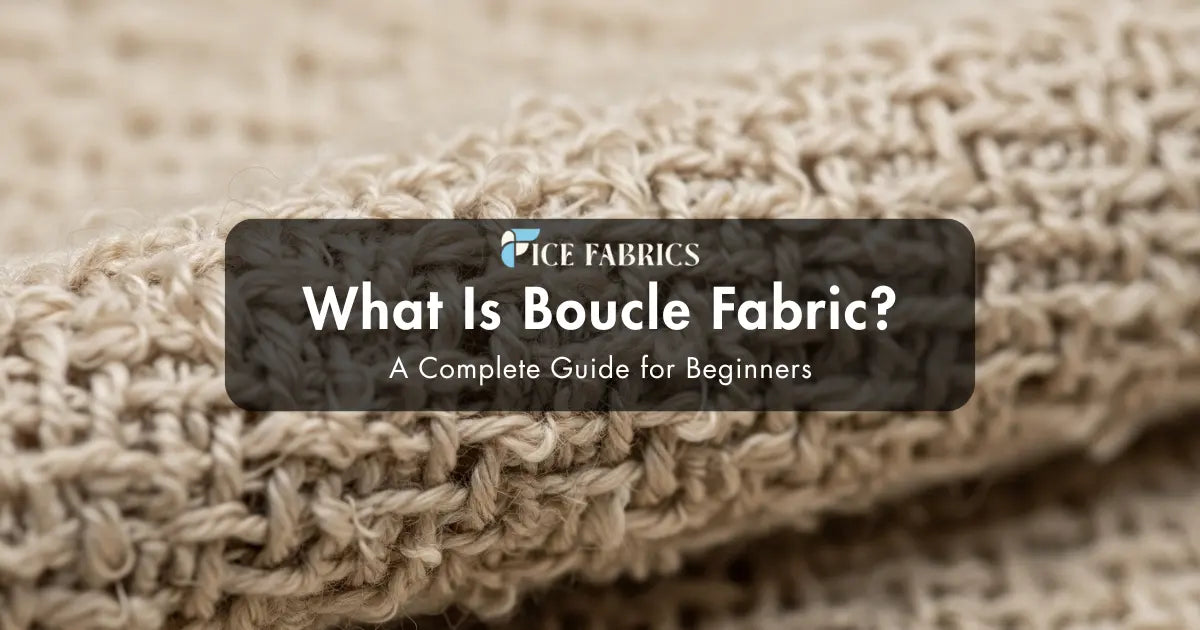

Chenille fabric is a soft, plush textile known for its fuzzy texture and luxurious feel. If you have ever touched a cozy throw blanket, a velvet-like sofa, or a textured sweater that feels warm and inviting, there is a good chance it was made from chenille fabric material. The word “chenille” comes from the French word for caterpillar, which perfectly describes its soft, raised pile surface.
Today, chenille fabric is widely used in upholstery, fashion, home décor, and accessories. It is especially popular as chenille upholstery fabric for sofas and chairs because of its durability and comfort. You can also find chenille fabric by the yard in various colors, patterns, and fiber blends, making it a top choice for DIY projects and interior design.
In this beginner-friendly guide by Ice Fabrics, we will explain everything you need to know about chenille fabric, including how it is made, its types, uses, benefits, and how to care for it. Whether you are a homeowner, designer, or shopper, this guide will help you make the right decision.
Understanding Chenille Fabric Material
Chenille fabric material stands out because of its construction. Unlike flat woven fabrics, chenille is made using short lengths of yarn that are placed between two core yarns and then twisted together. This process creates a fuzzy, raised surface that feels soft and thick.
The pile of chenille fabric gives it a velvet-like texture but with more dimension and depth. This unique structure also reflects light differently, which creates a slight sheen or color variation when viewed from different angles.
Manufacturers often use different fibers to produce chenille fabric, including:
- Cotton
- Polyester
- Rayon
- Acrylic
- Blends of natural and synthetic fibers
Among these, cotton chenille fabric is one of the most popular choices because it is breathable, soft, and eco-friendly.
A Quick Look at the History of Chenille Fabric
Chenille fabric dates back to the 18th century in France. Early versions were handmade and used mainly for decorative purposes such as bedspreads and shawls. By the 19th century, the production process improved, and chenille became more widely available.
In the United States, chenille gained massive popularity during the early 1900s, especially in Georgia, where artisans created tufted bedspreads. Over time, modern manufacturing techniques made chenille fabric more affordable and versatile.
Today, chenille continues to be a staple in both fashion and home furnishings.
Types of Chenille Fabric You Should Know
Chenille fabric is not just one type. It comes in several variations depending on the fiber used and the intended application.
1. Cotton Chenille Fabric
Cotton chenille fabric is soft, breathable, and natural. It is often used for blankets, baby products, and clothing. It feels gentle on the skin and works well in all seasons.
2. Polyester Chenille Fabric
Polyester chenille is more durable and resistant to wear and tear. It is commonly used in chenille upholstery fabric because it can handle heavy use and is easier to maintain.
3. Rayon Chenille Fabric
Rayon chenille offers a silky and luxurious feel. It is often used in decorative items but may require more care due to its delicate nature.
4. Acrylic Chenille Fabric
Acrylic chenille mimics the softness of wool while being lightweight and affordable. It is often used in sweaters and throws.
Common Uses of Chenille Fabric in Everyday Life
Chenille fabric is extremely versatile. Its softness and durability make it suitable for a wide range of applications.
Where You’ll Find Chenille Fabric Most Often
- Upholstered furniture like sofas and armchairs
- Decorative pillows and cushions
- Throws and blankets
- Curtains and drapes
- Fashion items like sweaters and scarves
- Rugs and carpets
Chenille upholstery fabric is especially popular in modern homes because it combines comfort with durability. It is thick enough to withstand daily use while still feeling soft and cozy.
Why Chenille Fabric Is So Popular
Chenille fabric has gained popularity for several reasons. Its unique combination of softness, durability, and visual appeal makes it a top choice in the textile industry.
Key Benefits of Chenille Fabric
- Soft Texture: The plush pile makes it extremely comfortable
- Durability: Strong construction ensures long-lasting use
- Versatility: Works well in both fashion and home décor
- Warmth: Ideal for colder climates and cozy interiors
- Aesthetic Appeal: Adds depth and richness to any design
According to textile industry standards, fabrics with higher pile density, like chenille, often provide better insulation and comfort, making them ideal for upholstery and blankets.
Chenille Upholstery Fabric: A Smart Choice for Furniture
When it comes to furniture, chenille upholstery fabric is one of the best options available. It combines beauty with performance, making it suitable for both residential and commercial use.
Chenille upholstery fabric typically has a high rub count, which is a measure of durability used in the textile industry (often tested using the Martindale or Wyzenbeek methods). A higher rub count means the fabric can withstand more friction before showing signs of wear.
This makes chenille a great choice for:
- Living room sofas
- Lounge chairs
- Sectionals
- Office seating
Its textured surface also helps hide minor stains and wear, which is a practical advantage for busy households.
How Chenille Fabric Is Made
Understanding how chenille fabric is made helps you appreciate its quality and structure.
The process involves:
- Placing short yarn fibers between two core yarns
- Twisting the yarns together tightly
- Cutting the fibers to create a soft pile
- Weaving the yarn into fabric
This method gives chenille its signature fuzzy appearance and soft feel. Advanced machinery ensures consistency and quality in modern production.
Chenille Fabric by the Yard
When buying chenille fabric by the yard, it is important to consider a few factors to ensure you get the best quality.
Things to Check Before Purchasing
- Fiber Content: Choose cotton chenille fabric for softness or polyester for durability
- Pile Density: Higher density means better quality
- Color Fastness: Ensure the color will not fade easily
- Weight: Heavier fabric is usually more durable
- Intended Use: Upholstery, clothing, or décor
Buying chenille fabric by the yard allows you to customize your projects, whether you are reupholstering furniture or creating home décor items.
Read More: What Is Ramie Fabric? Complete 2026 Guide
How to Care for Chenille Fabric
Chenille fabric requires proper care to maintain its softness and appearance. While it is durable, its pile structure needs gentle handling.
Basic Care Tips
- Vacuum regularly to remove dust
- Avoid harsh brushing to prevent damage
- Spot clean spills immediately
- Use mild detergents for cleaning
- Air dry instead of using high heat
For upholstery, professional cleaning is often recommended to maintain the fabric’s texture and longevity.
Chenille vs Other Fabric Options: A Detailed Comparison
Chenille fabric is widely loved for its soft, plush feel, but how does it compare to other commonly used fabrics beyond velvet, microfiber, and corduroy? Understanding these differences helps you choose the right fabric based on comfort, durability, maintenance, and style.
Let’s explore how chenille fabric stacks up against other popular fabric options.
Chenille vs Cotton Fabric
Cotton is one of the most common natural fabrics, known for its breathability and softness. While cotton chenille fabric is made from cotton fibers, standard cotton fabric has a flat and smooth weave.
Chenille fabric offers a thicker, more textured surface, making it feel warmer and more luxurious. Regular cotton fabric, on the other hand, is lighter and better suited for hot climates and everyday clothing. If you want comfort with a cozy feel, chenille is the better option. For lightweight and breathable use, plain cotton works best.
Chenille vs Linen Fabric
Linen is another natural fabric, valued for its durability and airy feel. It has a crisp texture and is highly breathable, making it ideal for summer use.
In comparison, chenille fabric is much softer and heavier. It provides warmth and a plush texture that linen cannot match. However, linen is more resistant to pilling and tends to last longer in harsh conditions. Chenille, while comfortable, requires more careful handling.
Chenille vs Polyester Fabric
Polyester is a synthetic fabric widely used for its strength and resistance to wrinkles and stains. Many chenille fabrics are actually blended with polyester to improve durability.
Pure polyester fabric feels smoother and less textured than chenille fabric. While polyester is easier to clean and maintain, chenille provides a richer, more luxurious feel. For high-traffic areas, polyester may perform better, but for comfort and style, chenille stands out.
Chenille vs Wool Fabric
Wool is known for its warmth and insulation, often used in winter clothing and blankets. It has a natural elasticity and can regulate temperature well.
Chenille fabric also offers warmth, but it feels softer and less itchy compared to wool. Wool can sometimes feel rough on sensitive skin, while chenille provides a gentler, more comfortable touch. However, wool is generally more durable and better suited for extreme cold.
Chenille vs Silk Fabric
Silk is a premium fabric known for its smooth texture and natural sheen. It is lightweight and often used in luxury fashion.
Chenille fabric, in contrast, is thicker and more textured. It does not have the same shine as silk but offers more warmth and durability. Silk fabric requires delicate care, while chenille is slightly more practical for everyday use, especially in home décor.
Chenille vs Acrylic Fabric
Acrylic fabric is a synthetic alternative to wool, designed to be lightweight and affordable. It is often used in sweaters and blankets.
Chenille fabric made with acrylic fibers can feel similar, but pure chenille has a more luxurious and dense texture. Acrylic is easier to maintain and resists shrinking, while chenille provides a softer and more premium feel.
Chenille vs Leather
When it comes to furniture, leather is a popular choice for its durability and sleek appearance.
Chenille upholstery fabric offers a completely different experience. It is softer, warmer, and more inviting compared to leather, which can feel cold and firm. However, leather is easier to clean and more resistant to spills, while chenille requires more maintenance.
Is Chenille Fabric Durable for Long-Term Use?
Yes, chenille fabric is considered durable, especially when made with synthetic blends like polyester. Its twisted yarn structure provides strength, while its pile surface adds comfort.
However, durability also depends on how you use and maintain the fabric. High-quality chenille upholstery fabric can last for years with proper care.
Industry tests such as abrasion resistance (rub count) and pilling resistance help determine the durability of chenille fabrics used in furniture.
Is Chenille Fabric Good for All Seasons?
Chenille fabric works well in most climates, but it is especially popular in cooler environments due to its warmth and thickness. Cotton chenille fabric offers better breathability, making it suitable for year-round use.
For warmer regions, lightweight chenille blends can provide comfort without overheating.
Eco-Friendliness of Chenille Fabric
Sustainability is becoming an important factor in fabric selection. Cotton chenille fabric is more eco-friendly compared to synthetic options because it is biodegradable and made from natural fibers.
However, synthetic chenille fabrics like polyester offer longer durability, which can also contribute to sustainability by reducing the need for frequent replacements.
Design Trends Featuring Chenille Fabric
Chenille fabric continues to evolve with modern design trends. Interior designers often use it to create cozy and stylish spaces.
Popular trends include:
- Neutral-toned chenille sofas
- Textured throw pillows
- Layered fabrics in home décor
- Minimalist furniture with soft finishes
Its ability to add warmth and texture makes chenille a favorite in contemporary interiors.
How to Identify High-Quality Chenille Fabric
Not all chenille fabrics are the same. High-quality chenille will have:
- Even pile distribution
- Strong backing material
- Minimal shedding
- Rich and consistent color
Always check the fabric closely before purchasing, especially when buying chenille fabric by the yard.
Smart Buying Tips from Ice Fabrics
At Ice Fabrics, we always recommend choosing chenille fabric based on your specific needs. If you want comfort and luxury, go for cotton chenille fabric. If you need durability for furniture, opt for polyester chenille upholstery fabric.
Always request samples when possible and test the fabric’s feel, strength, and color under different lighting conditions.
Elevate Your Fabric Choices with Trusted Quality
Chenille fabric is a perfect blend of comfort, durability, and style. Whether you are designing a cozy living space or upgrading your wardrobe, this fabric offers endless possibilities. From soft cotton chenille fabric to durable chenille upholstery fabric, there is an option for every need.
For premium-quality textiles and a wide variety of chenille fabric by the yard, explore the latest collections at Ice Fabrics, where quality meets style for modern living.
Frequently Asked Questions about Chenille Fabric
What is chenille fabric made of?
Chenille fabric is made from tufted yarns of cotton, polyester, rayon, or wool twisted around a core thread, creating its signature soft, velvety texture.
Is chenille fabric good for sofas and upholstery?
Yes, chenille is a popular upholstery choice because it is soft, durable, and comfortable though it may snag with heavy pet use or sharp objects.
Is chenille fabric soft or rough?
Chenille fabric is exceptionally soft to the touch, with a plush, velvety pile that makes it one of the coziest textiles used in home décor and apparel.
Does chenille fabric shrink or pill easily?
Chenille can shrink if washed in hot water and may pill or shed with friction always wash in cold water on a gentle cycle to maintain its quality.
What is chenille fabric used for?
Chenille is widely used for sofas, throw blankets, curtains, sweaters, and rugs due to its warmth, softness, and rich textured appearance.