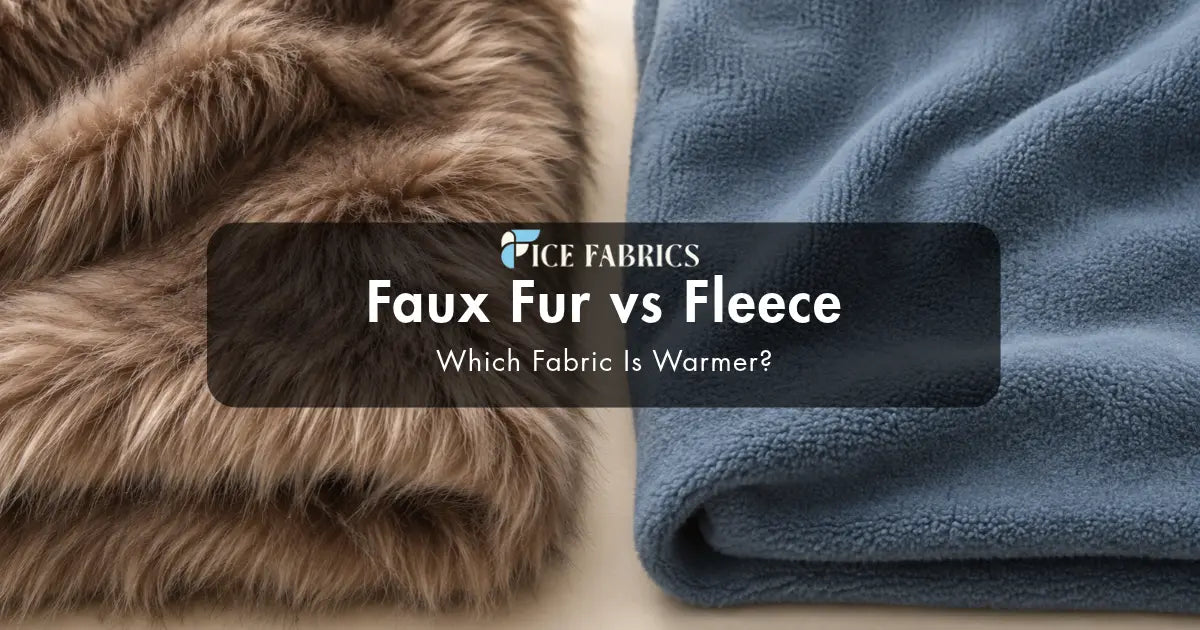

Beaver is a traditional choice for full coats in severe dry cold. Wolverine works especially well for hood trim because it sheds frost from your breath, while fox gives collars and hoods a fuller edge. For everyday winter wear, choose mink for a smoother coat, raccoon for textured trim, or dense short- to medium-pile faux fur for a lined jacket. Shearling is another good option for dry, cold days.
The best fur for winter depends on what you’ll wear and how much time you’ll spend outside. For a full coat, check the lining, length, and fit at the neck and wrists. For wet snow or rain, choose a weather-resistant shell and use fur as a lining or removable trim.
What Makes Fur Warm in Winter?
Fur slows heat loss by holding still air between its fibers. Many animals have two layers of hair. The fine, closely packed hairs underneath are called underfur. The longer hairs on top are called guard hairs. Beaver has especially dense underfur, while caribou has hollow guard hairs that hold air inside the hairs as well as between them.
In faux fur, the raised fibers are called the pile. They sit on a fabric backing that holds them in place and affects how easily air passes through the material. Two fabrics with the same pile length can feel very different. One may feel full down to the base, while the other parts easily and exposes the backing.
The finished garment matters, too. Cold air can enter through wide cuffs, a loose collar, or gaps between buttons. A coat that covers your hips, closes securely, and fits over your usual winter layers can be more useful than a fluffier coat that leaves those areas exposed.
Which Fur Works Best for Different Winter Uses?
| Fur Type | Where It Works Well | What to Check |
|---|---|---|
| Beaver | Traditional cold-weather coats, hats, and mittens | Garment weight, coverage, and pelt condition |
| Wolverine | Parka hood ruffs in severe cold | Fit around the face and hood adjustability |
| Fox | Full collars, hood trim, and winter coats | Bulk around the face, pockets, and closures |
| Mink | Everyday coats and jackets with a smooth finish | Lining, length, and room for a sweater |
| Raccoon | Textured collars, hood trim, and casual outerwear | Feel against the neck and clearance around zippers |
| Shearling | Full coats and jackets for dry cold | Outer finish, garment weight, and care instructions |
| Caribou | Traditional northern parkas and other winter clothing | Garment design and how the layers are worn |
| Dense short- or medium-pile faux fur | Lined everyday coats, vests, hats, and ear warmers | Pile density, backing, and seam bulk |
| Long-pile faux fur | Full hood trim, collars, and statement jackets | Pile direction and bulk at seams and closures |
Read More: What Is the Best Faux Fur Material?
Best Natural Fur Options for Winter
Beaver for Full Coats in Severe Dry Cold
Beaver is a traditional choice for cold-weather coats, hats, and mittens. The Alaska Department of Fish and Game describes its underfur as fine and extremely dense. Its guide puts the underfur at about 0.4 inches long, with outer guard hairs measuring about 1.5 to 4 inches. That difference shows how much of the insulating layer can sit close to the base, below the hairs you see.
If you’re shopping for a vintage beaver coat, check for stiff spots, loose seams, and worn areas at the shoulders, cuffs, and pockets. Close the hooks or buttons and move your arms to see whether the front stays closed.
Wolverine for Hood Trim in Severe Cold
Wolverine fur is traditionally used as a ruff, the strip of fur around a parka’s hood opening. The National Park Service notes that it readily sheds frost that collects from a wearer’s breath. That makes it useful around the face, where warm breath meets cold air.
The hood itself still needs to fit well. An adjustable opening helps keep the trim in place when you turn your head or walk into the wind.
Fox for Full Collars and Hood Trim
Red fox has long outer hairs over soft, fluffy underfur. That structure gives collars and hood trim a full edge and makes fox a visible feature on a winter coat. If you’re comparing fox and beaver for a full garment, look at the lining, coat length, and front closure. Those details tell you more about how the coat will suit your needs than the appearance of the fur alone.
Mink for Everyday Winter Coats
Mink has soft underfur beneath relatively short guard hairs, giving it a smooth profile. It suits everyday coats and jackets when you want less visible bulk around the collar and sleeves. Try the coat on over your usual sweater and check that you can reach forward comfortably. A longer mink coat gives you more coverage for walking, while a shorter cut can be easier to wear when driving.
Raccoon for Textured Trim and Casual Outerwear
Raccoon has fine underfur beneath long, stiff guard hairs. The guard hairs give collars and hoods a coarser texture than mink. If the trim sits directly against your neck, check how it feels with the coat closed. Removable trim is handy when the fur and coat need different cleaning methods.
Shearling for Dry Winter Days
Shearling is sheepskin with the wool still attached. In a typical shearling coat, the wool faces inward and the skin forms the outside. It’s a practical option for dry cold when you want a substantial coat you can wear over a shirt or sweater.
Check the weight and flexibility before buying. Sit down, bend your elbows, and reach forward with the coat closed. The cut should give you enough room to move without pulling across your shoulders or bunching heavily at the waist.
Caribou for Traditional Northern Winter Clothing
The National Park Service documents how Nunamiut people used caribou skins to make parkas, mittens, and other winter garments. In deep cold and storms, a parka worn with the fur facing inward could be paired with a second parka worn with the fur facing outward. It’s an example of how the insulating material, garment design, and layers all contribute to warmth.
What Is the Best Faux Fur for Winter?
Short- and Medium-Pile Faux Fur for Full Coats
Dense short- to medium-pile faux fur fabric is a good starting point for an everyday lined jacket. The lower pile is easier to manage around pockets, closures, and cuffs. If you’re sewing a fitted coat, check the backing as well. A flexible backing can help the fabric curve around the shoulders and sleeves.
Fold a swatch with your intended lining and pinch the layers where a seam would sit. This gives you a better sense of the finished bulk than handling the fur by itself. Pay extra attention to the front edge, where the zipper or buttons will sit.
Long-Pile Faux Fur for Trim and Statement Jackets
Long-pile faux fur gives hood trim, collars, and statement coats more volume. It works for a full jacket when the pattern has room for the extra bulk. Check the zipper and pocket openings, where long fibers can catch, and the shoulders, where a bag strap can press the pile flat.
Before cutting, run your hand across the fur in both directions to find its nap, the direction the fibers naturally lie. Lay the pattern pieces in a consistent direction to keep the color and texture even across the coat. A one-direction layout can require extra yardage, so check the layout before ordering.
Faux Shearling for Jacket Linings
Faux shearling has a curled, wool-like pile that works well for body linings, collars, and casual jackets. If you often wear thick sweaters, consider a smoother sleeve lining so your arms slide in easily. If the sleeves need more insulation, you can add a thin insulating layer behind the smooth lining.
How to Choose the Best Fur for Your Winter Weather
Dry Cold and Everyday Errands
A lined faux fur coat or natural shearling jacket can work well for dry winter days. Choose the length for how you’ll use it. A hip-length jacket is easy to sit in and move around in. A longer coat covers more of your hips and thighs on walks or while you wait outdoors.
Cold Wind and Long Outdoor Waits
Look for a high collar, adjustable cuffs, and a flap over the zipper. These features help limit drafts at the places cold air can enter. If you’re making the coat, consider a wind-resistant shell with fur inside. Test the shell, lining, and closure together before you cut the full garment, since several folded layers can get thick at the front edge.
Wet Snow and Winter Rain
A water-resistant shell can suit brief exposure to light precipitation. For sustained rain or wet snow, look for a waterproof shell and check how its seams and closures are protected. Fur can provide insulation inside the coat or add fullness as detachable trim. Read the care instructions for each material so you know which pieces can be cleaned together.
What to Check When Buying Faux Fur Fabric by the Yard
Pile length tells you how far the fibers extend from the backing. GSM, or grams per square meter, tells you how much the fabric weighs for a given area. A higher GSM can come from a heavier backing, a heavier pile, or both. Use the number to compare weight and handling. To compare insulation directly, look for thermal test results.
ASTM F1868 is a laboratory method for measuring thermal resistance in clothing materials and layered fabric assemblies. ASTM D737 measures how easily air moves through textile fabrics. If a seller publishes results, check whether the test covers the fur alone or a combination of layers. That distinction matters when you’re comparing fabrics for a finished winter coat.
If you can order a swatch, make these four checks:
- Part the pile. See how closely the fibers sit at the base and how easily the backing shows.
- Fold it over the lining. Check whether the layers get too thick for a cuff, collar, or pocket opening.
- Check the backing’s stretch. Pull gently both ways and compare it with what your pattern calls for.
- Read the care instructions. Make sure the fur, lining, and any trim can be cleaned together or removed for separate care.
Also Read: What Is Mohair Faux Fur?
Frequently Asked Questions
What is the warmest fur for severe cold?
Beaver is a traditional choice for full coats because of its dense underfur. Wolverine has a specific advantage around the face because it sheds frost from breath. Fox is a full-pile choice for collars and hood trim. For a full coat, compare insulation, coverage, and closures before deciding which will keep you warmer.
Is faux fur warm enough for winter?
Yes. Dense faux fur can work well for everyday winter wear when the coat is lined, closes securely, and leaves room for layers. If you regularly face cold wind or wet snow, pair it with an outer shell designed for those conditions.
Is long-pile fur warmer than short-pile fur?
Either can provide more insulation, depending on the fabric. A short, dense pile may hold more still air than a long, sparse one. Compare the pile density and backing, and check how the finished coat is lined and closed.
Is faux fur warmer than real fur?
Both can make warm coats. Natural fur varies by species and pelt, and faux fur varies in density, backing, and weight. Compare garments with similar coverage and closures. Use comparable thermal test results when the makers provide them.
Choose a Pile That Fits Your Winter Project
Start with the piece you’ll wear most. For a coat you’ll reach for every day, choose a pile you can move in comfortably and make sure there’s room for the layers you already wear. For a hood or collar, hold the fabric around a curve to see how the pile falls and how it feels against your face.
Browse the faux fur fabric collection at Ice Fabrics to compare thick striped and shaggy long-pile fabrics by the yard. Check the pile length, backing, and care details against your pattern, especially if you’re sewing a full coat with a separate lining.