
Order Placed
Today
Cart
Your cart is empty



Need it faster? Choose expedited at checkout. Order before 1 PM PT and we’ll ship it same day.
Order Placed
Today
Ships
Calculating...
Delivered
Calculating...
Choose options
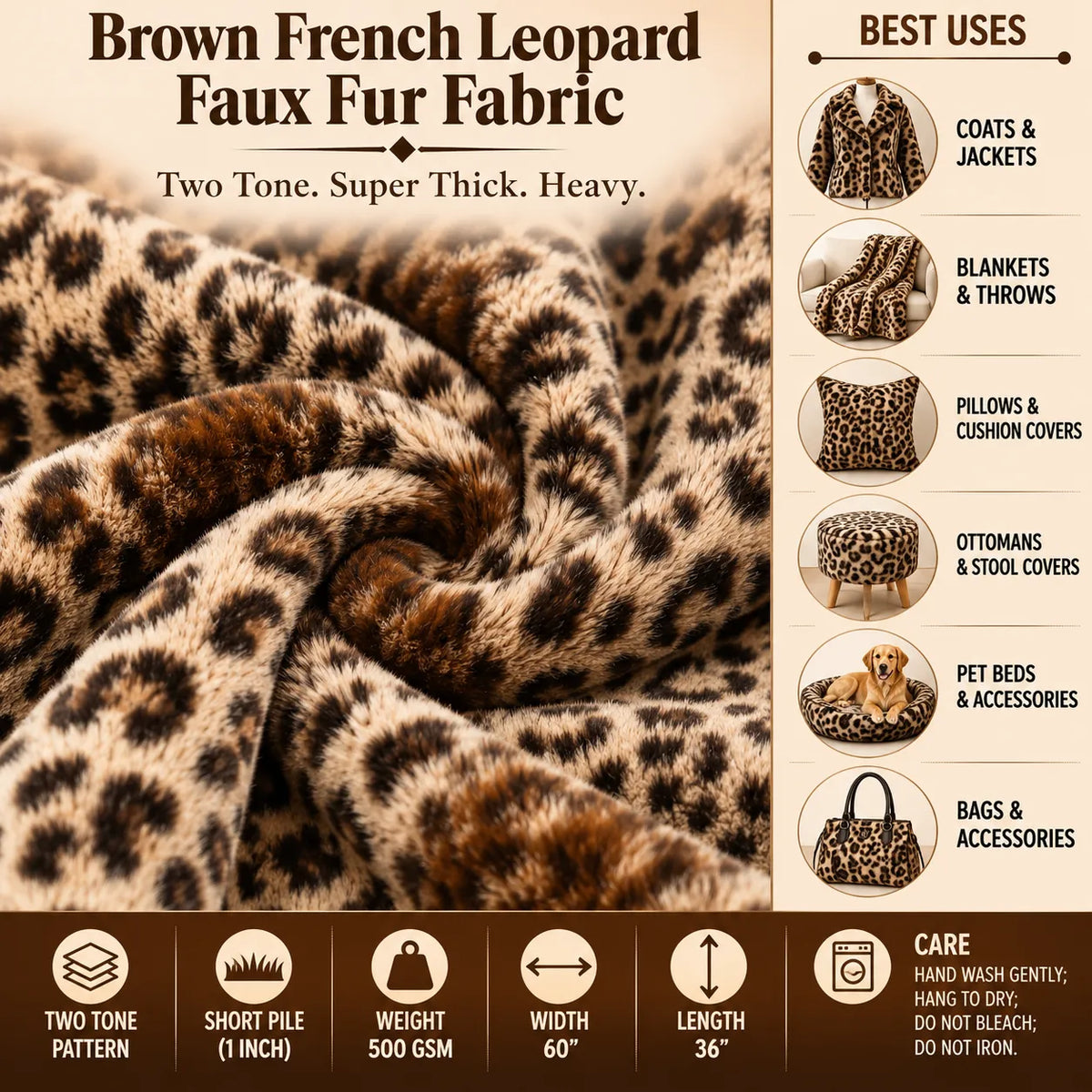
Pile Length: 1” Long
Weight: 500 gsm
Width: 60" / Yard
Length: 36" / Yard
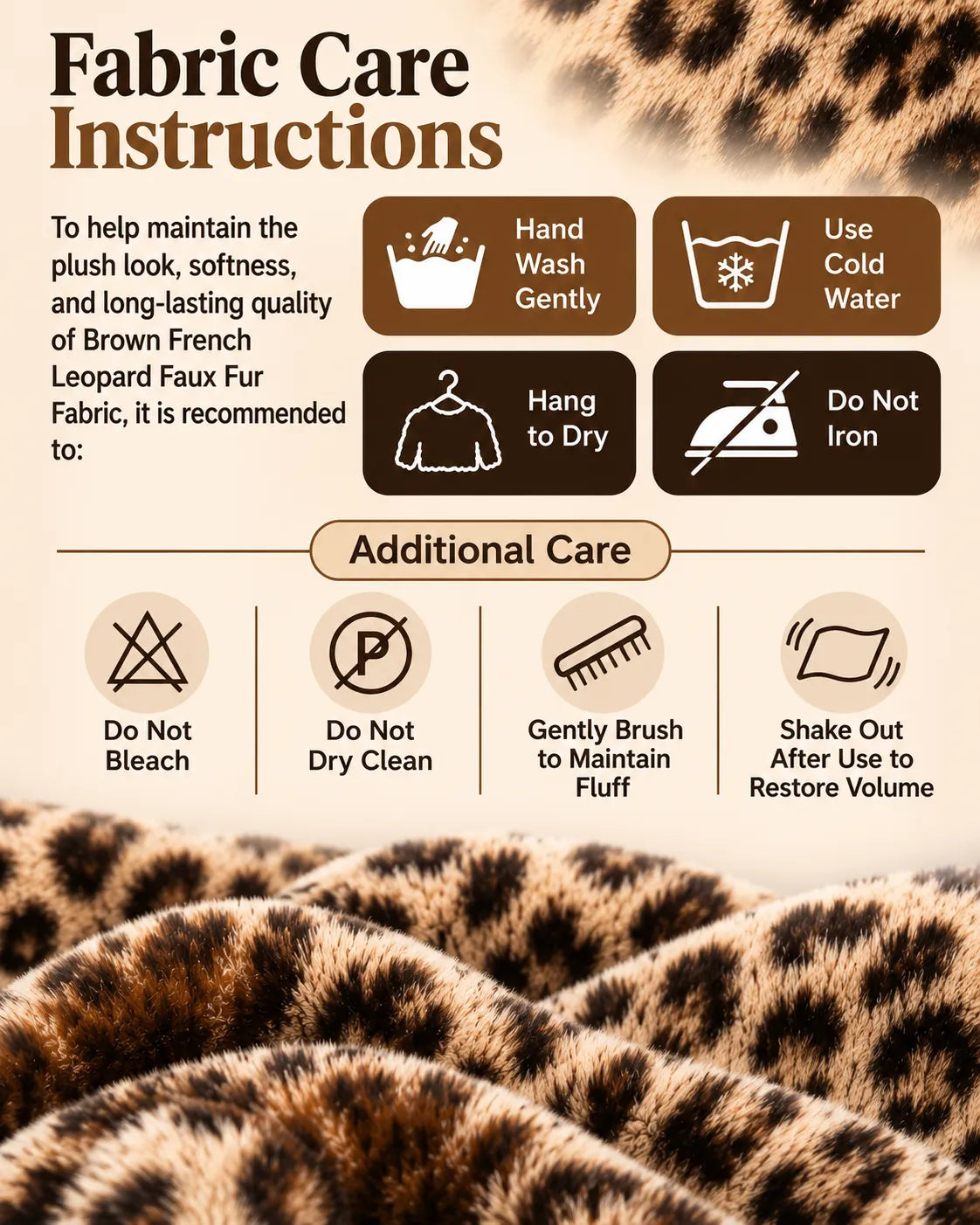
Care: Hand Wash Cold, Do not Bleach, Hang to Dry, Do Not Iron
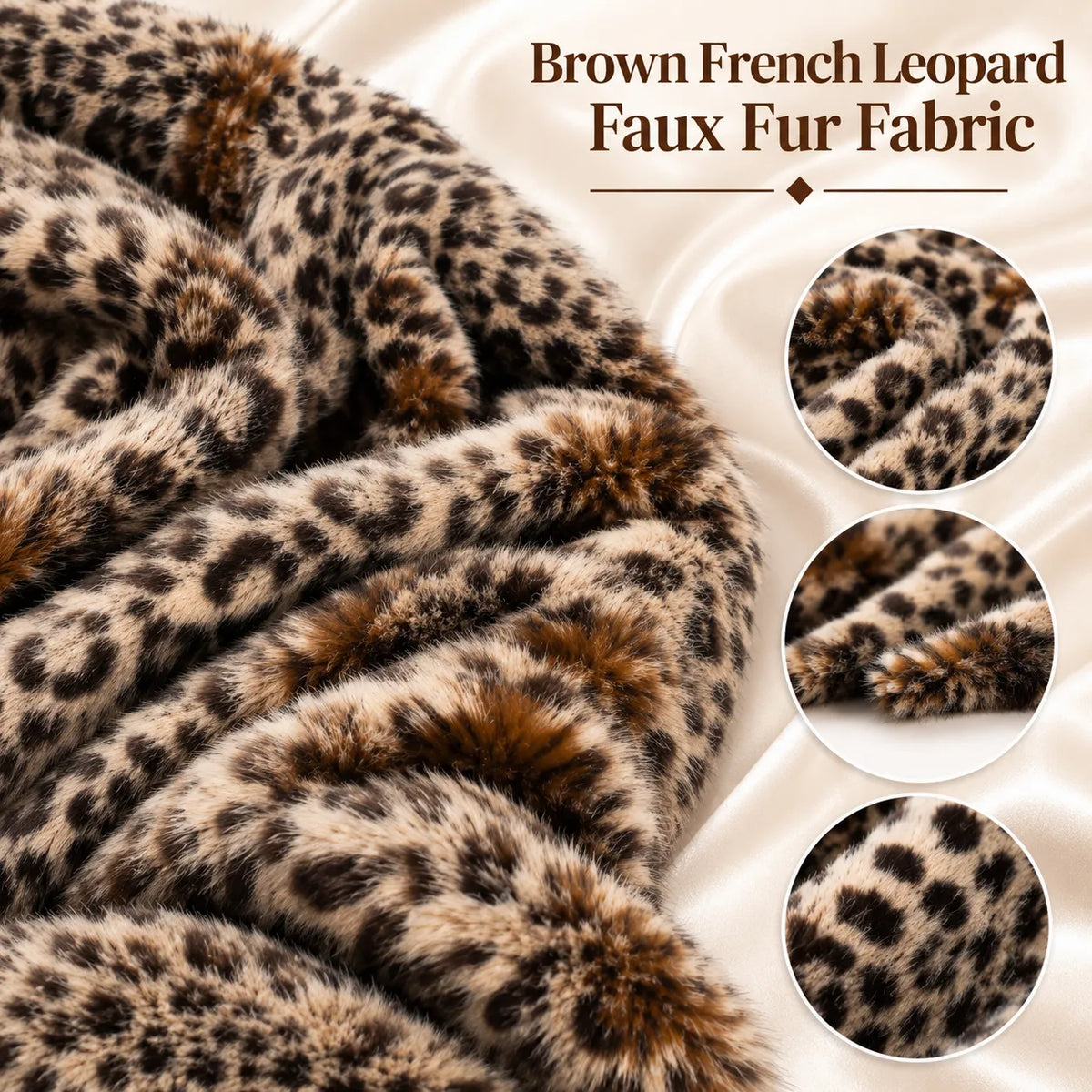
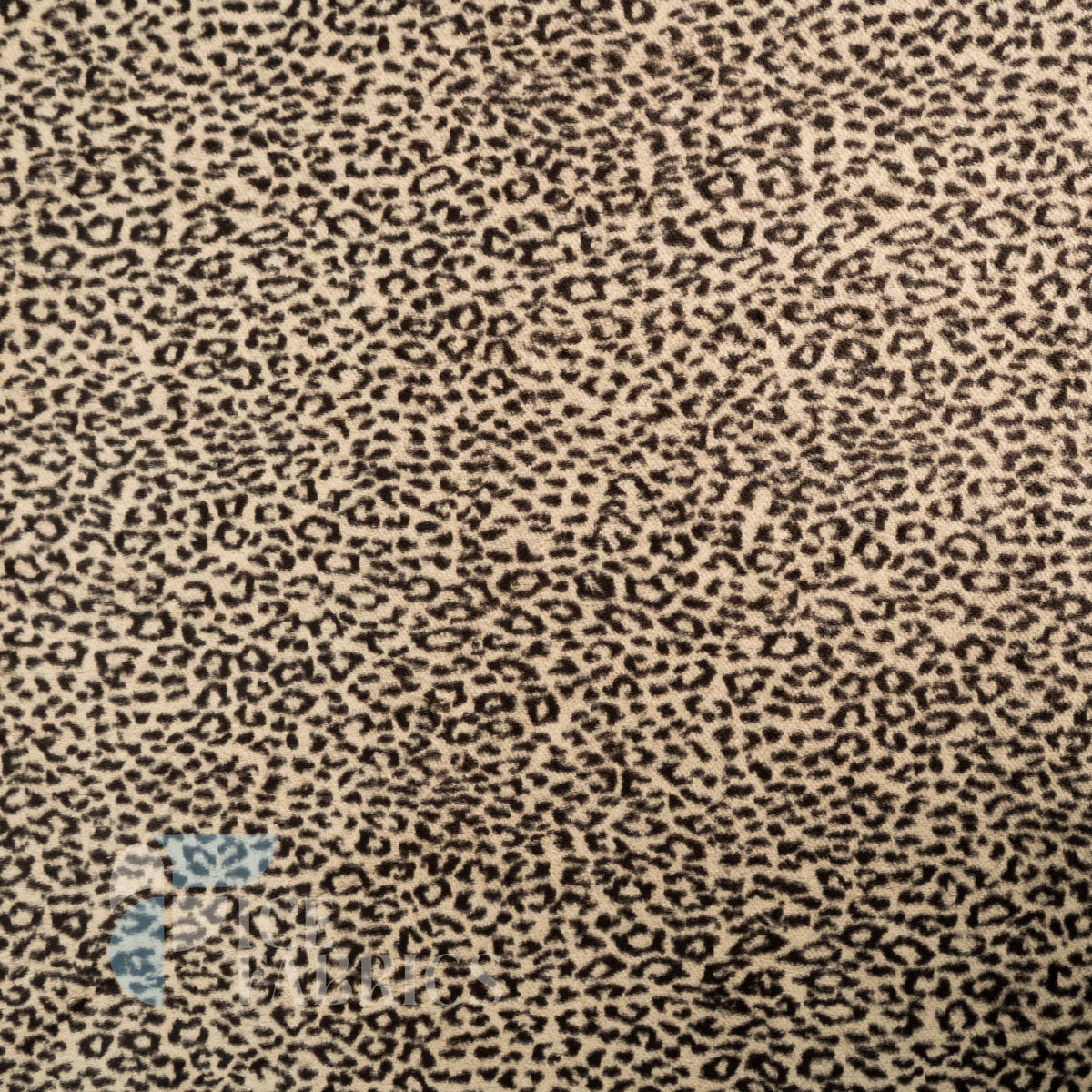
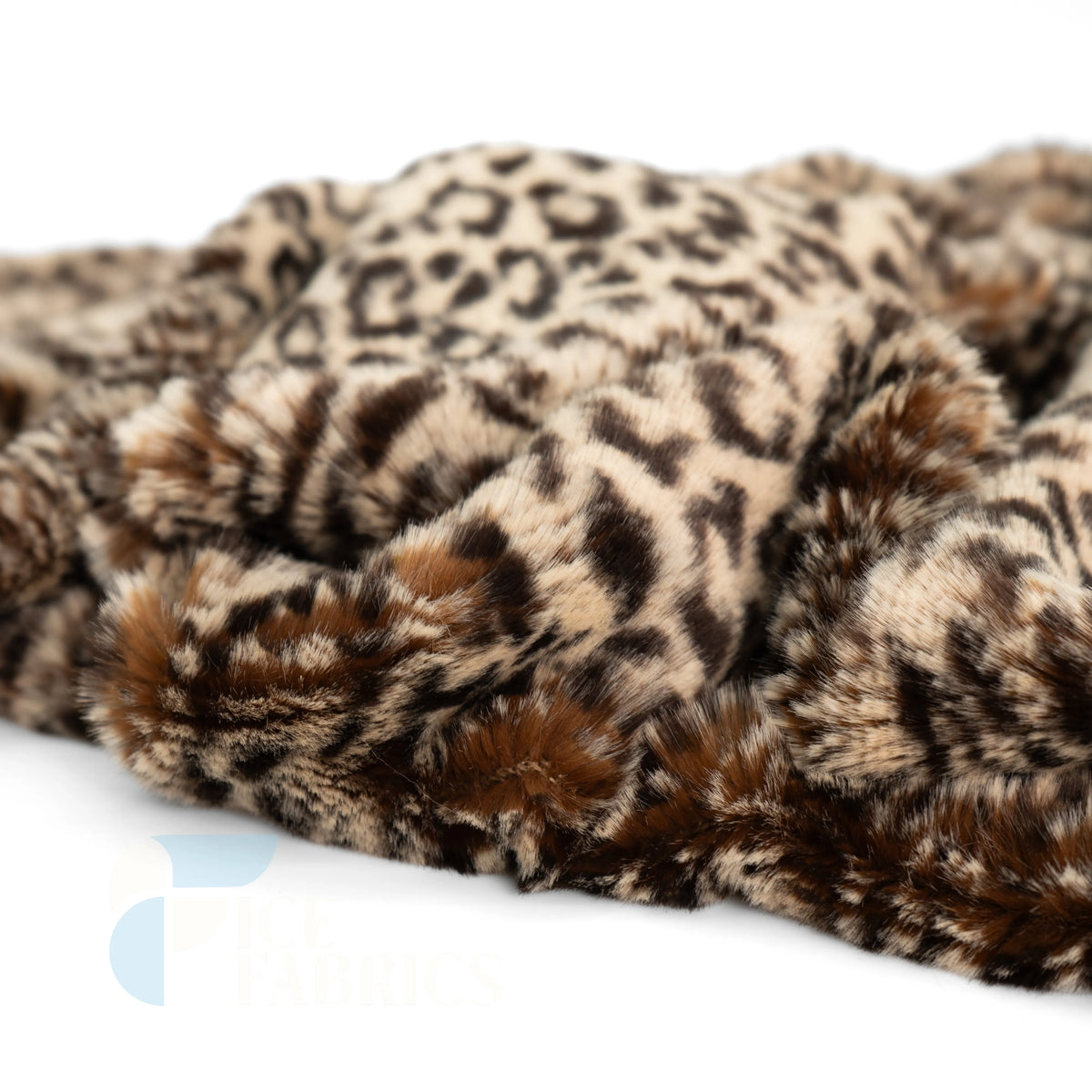
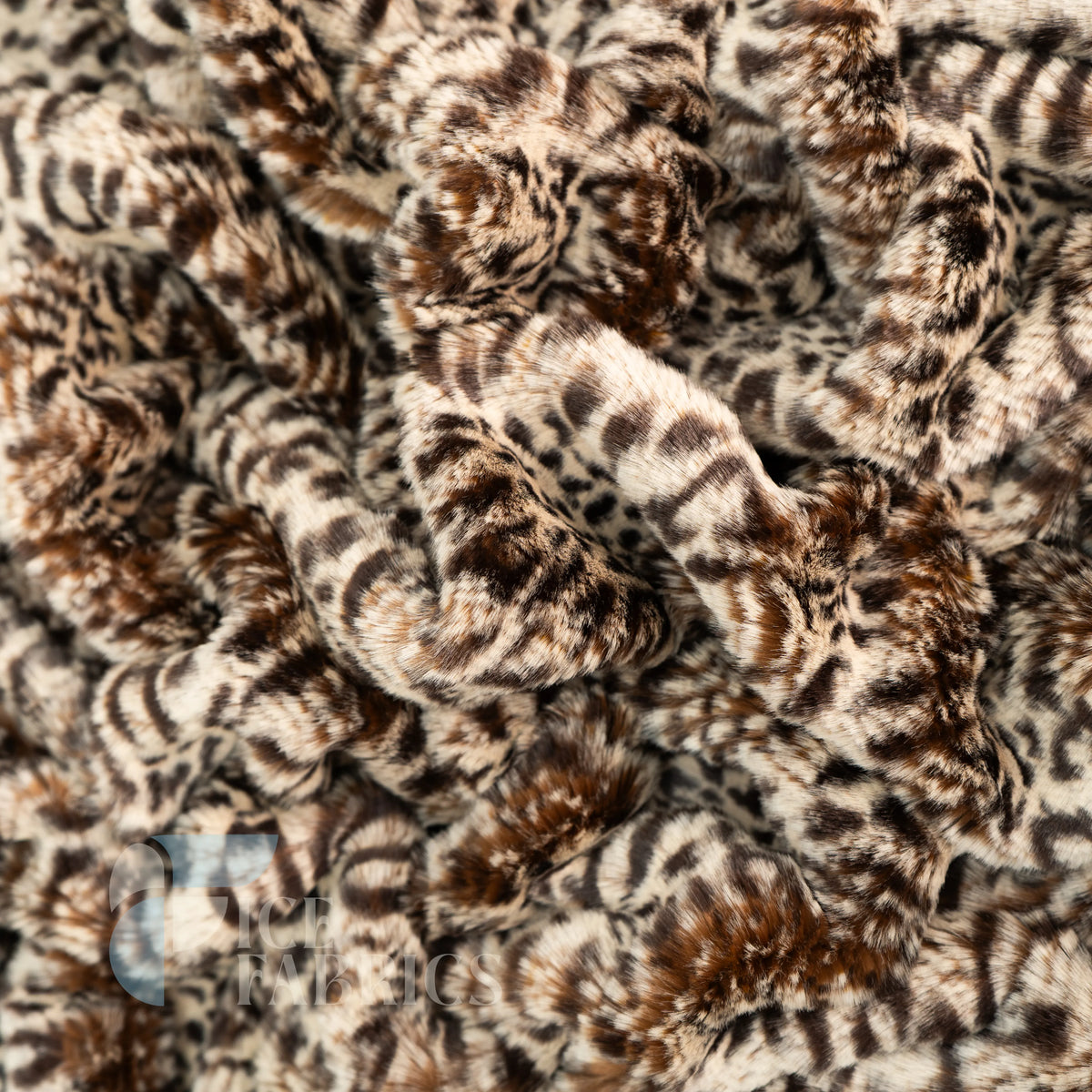
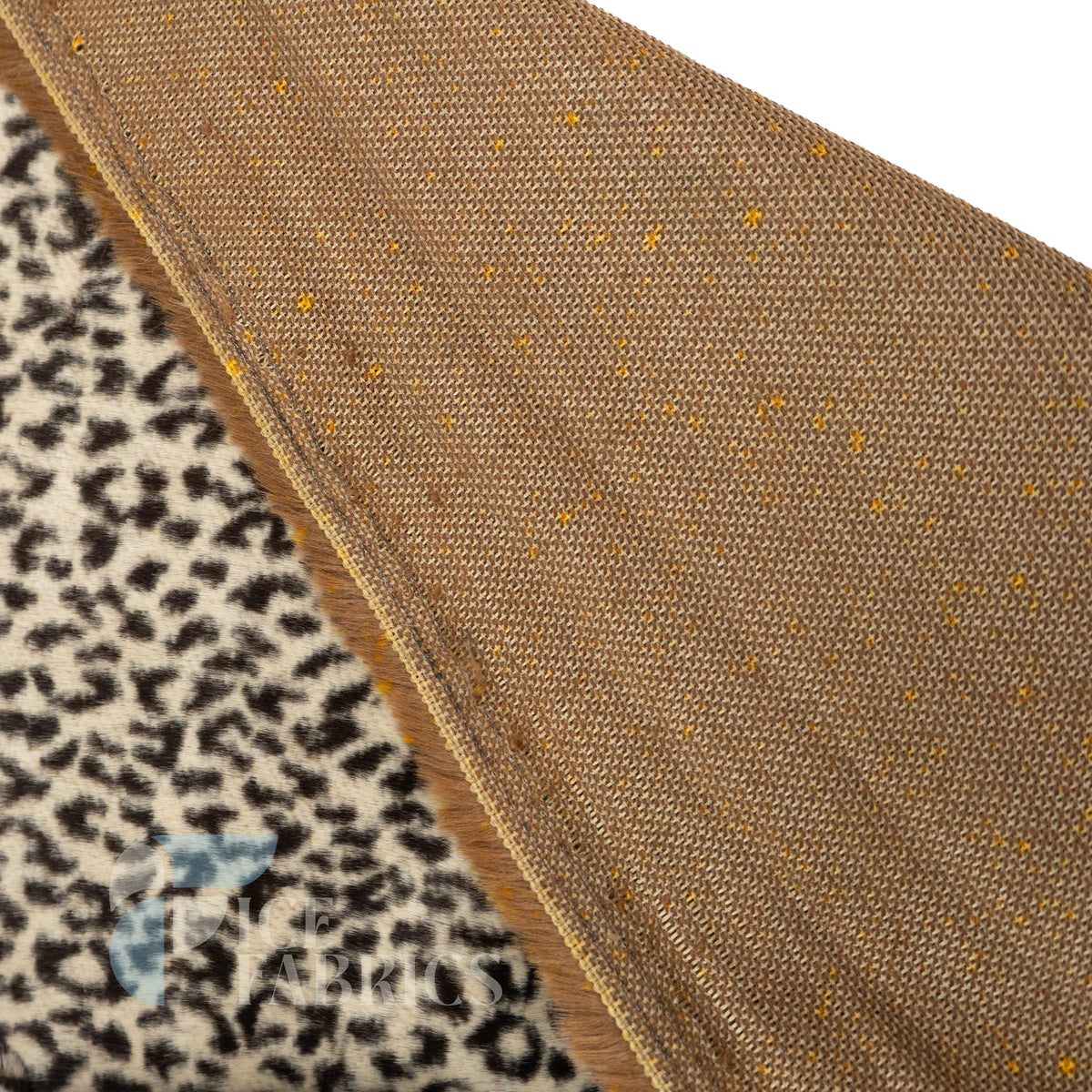
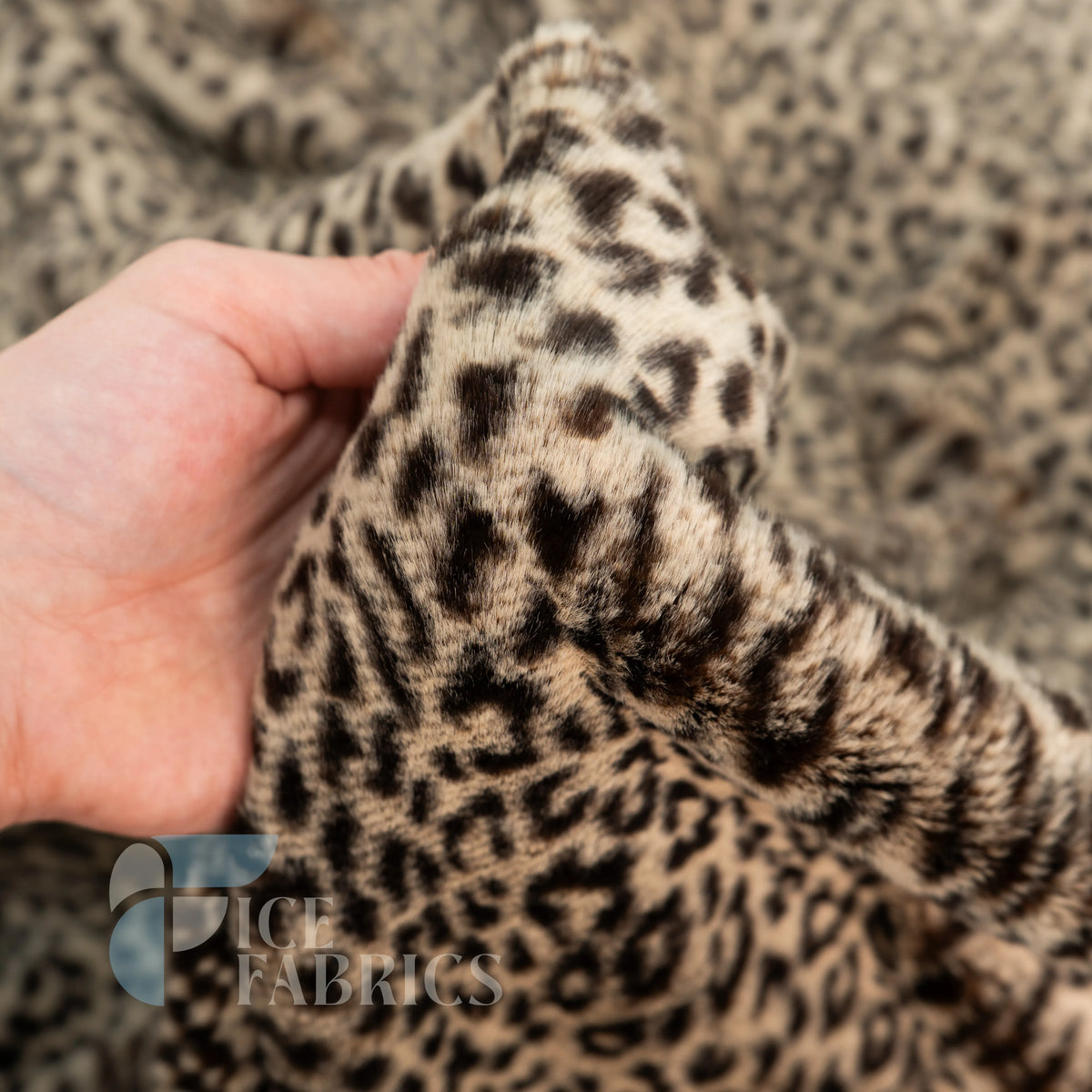
What is Brown French Leopard Faux Fur Fabric? It is a two tone, super soft faux fur with a classic leopard print in warm brown shades. It has a short 1 inch pile, weighs 500 GSM, and comes 60 inches wide. It is made in France, and it suits coats, throws, pillows, costumes, and home décor.
If you want a print that looks rich and feels cozy, this faux fur fabric delivers both. Below you will find what makes it special, how it behaves when you sew it, how much to buy, and how to keep it looking new.
Leopard print has been a fashion staple for decades. It shows up on runways, in living rooms, and on stage costumes. The reason is simple: it adds warmth and personality without needing much else.
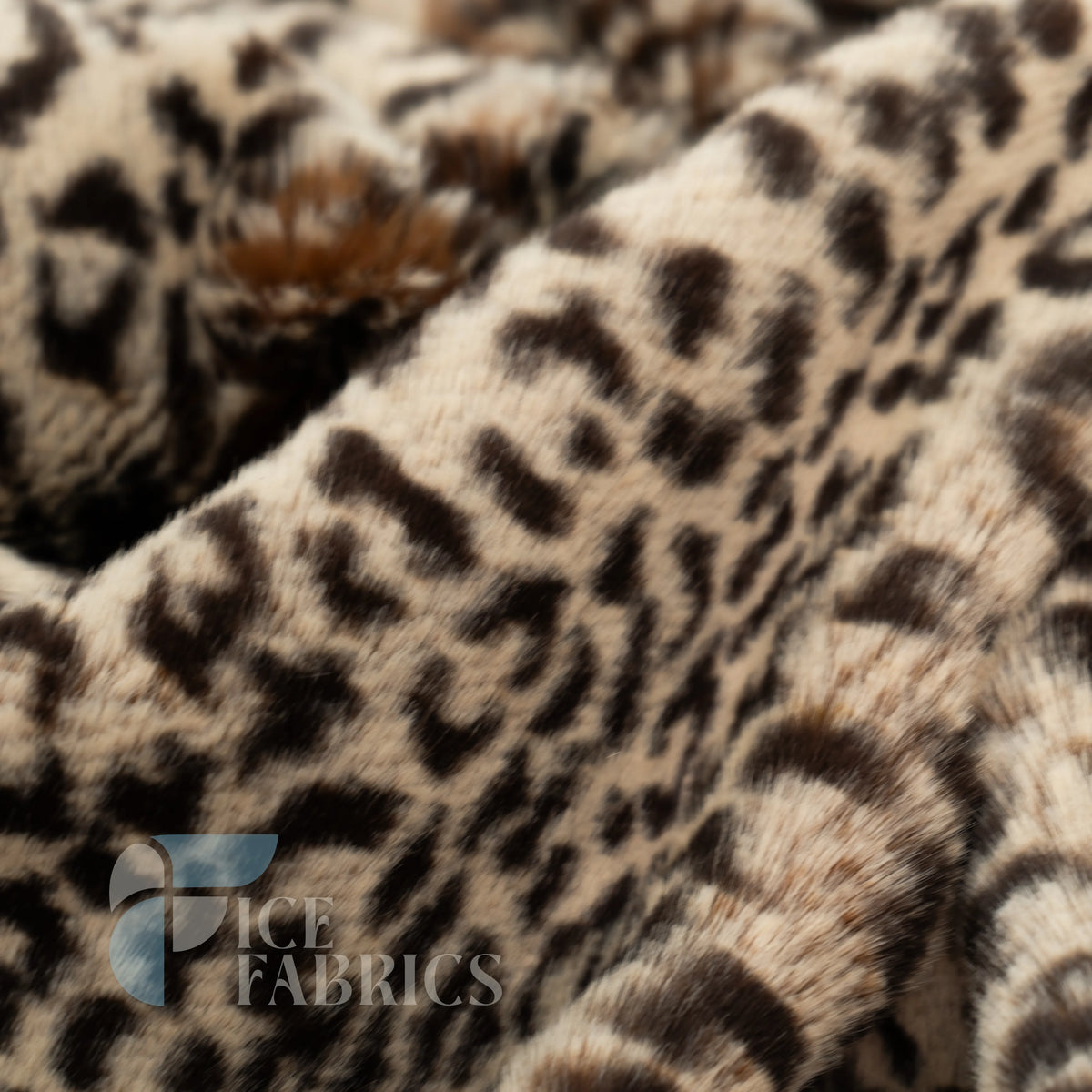
This leopard faux fur fabric is a two tone fur. That means the pile is not one flat color. The base shade and the darker spot markings blend into each other, so the print looks layered rather than painted on. When light hits the pile, the colors shift slightly, much like a real animal coat.
The brown color palette is also easy to work with. It pairs well with black, cream, camel, denim, and gold accents. That makes it a safe choice for a jacket, but also bold enough to be the star of a room.
Here are the key specs in one place:
Faux fur comes in many pile lengths. Long pile fur looks dramatic but can be hard to sew, sheds more, and hides stitching lines. A shorter pile sits closer to the backing, so it is easier to cut, sew, and shape.
With a 1 inch pile, this fabric gives you a plush look without too much bulk. The leopard spots stay sharp and easy to see, which matters because the print is the whole point. A longer pile can blur the pattern. A short one keeps it clear.
For beginners, this is a big plus. You get the luxury look of fur, but it is more forgiving than a shaggy fur. Seams are less bulky, edges are easier to finish, and the final piece looks neat.
GSM stands for grams per square meter. It tells you how heavy and dense a fabric is. A higher number usually means more fiber, more fullness, and more warmth.
At 500 GSM, this fabric is a heavy weight. For reference, that is about 14.7 ounces per square yard. A typical cotton shirting fabric is far lighter, often around 100 to 150 GSM. This is why the fur feels thick, drapes with some weight, and holds its shape well.
Here is what the weight means in practice:
Because it is soft, dense, and eye-catching, this fur is very flexible. Popular projects include:
Fashion: Jackets, coats, vests, stoles, collars, cuffs, hats, and bag trims. A leopard print coat is a classic statement piece. If a full coat feels like too much, try adding a collar or cuffs to a plain coat.
Home décor: Throw blankets, pillow covers, ottoman tops, chair seats, bench cushions, and bed runners. A single leopard accent can warm up a neutral room.
Costumes and stage: Animal costumes, cosplay, theater wardrobe, and dance outfits. The short pile photographs well, and the print reads clearly from a distance.
Kids and pets: Soft toys, play mats, and pet beds. Always check that decorations or small parts are secured well if the item is for a child.
Retail and display: Window displays, photo backdrops, and product styling. The texture adds depth that flat fabrics cannot match.
Since this is faux fur fabric by the yard, a quick estimate helps you avoid buying too little. These are rough guides only. Always check your pattern’s yardage chart, because fur needs extra for nap direction.
At 60 inches wide, you get more usable width than a standard 45 inch fabric. That often means fewer seams and less waste on bigger projects.
One more tip: buy a little extra. Fur has a nap, which means the pile brushes in one direction. All pattern pieces must face the same way, or the color will look different from panel to panel.
Faux fur has a reputation for being tricky, but a few habits make it simple.
Cutting: Lay the fabric pile side down on a flat surface. Cut a single layer at a time. Use a sharp blade or the tip of small scissors to snip only the backing, not the pile. This keeps the fur from being chopped and leaves clean edges.
Needles and thread: Use a heavy-duty needle, such as size 90/14 or 100/16. Pick strong polyester thread. Lengthen your stitch to around 3 to 4 mm.
Pinning and holding: Use clips or lots of pins to keep the layers from sliding. A walking foot helps if your machine has one.
Seams: After stitching, use a pin or needle to pull trapped fur out of the seam. This hides the line and makes the join look seamless. For bulky seams, trim the pile in the seam allowance with small scissors.
Hand sewing: For hems and closures, a whip stitch through the backing works well.
Lining: For jackets and coats, a smooth lining makes the garment easier to put on and helps it last longer.
Good care keeps the pile soft and the spots sharp. Always check the care guidance for your finished project, but these habits work for most faux furs:
For coats and other lined garments, professional cleaning is usually the safest option.
Many shoppers choose faux fur because they want the look without using animal fur. Over the past several years, a growing number of fashion brands and designers have moved away from real fur, which has made faux fur a mainstream choice.
Modern faux fur is also much better than older versions. Better pile quality, richer color blending, and improved softness mean it can look and feel luxurious. It is also easier to care for than real fur, which needs specialist storage and cleaning.
Whether you buy a single yard or a large order depends on your goals.
Faux fur fabric by the yard suits home sewers, crafters, students, and small boutiques. You can order exactly what a project needs and test the fabric before committing to more.
Wholesale faux fur fabric suits designers, manufacturers, retailers, and theaters that need larger, consistent quantities. Buying in bulk usually lowers the cost per yard and helps keep color and pile quality uniform across a full production run. This matters because color can vary between batches, so ordering all you need in one go is the safest approach.
Whichever route you choose, ask for a sample first if the project is large. Seeing the color and feeling the pile in person removes any guesswork.
Is this fabric stretchy? Faux fur backings typically have little to some stretch. Check your sample, and choose patterns made for fur or non-stretch fabrics.
Will it shed? Cutting faux fur always releases some loose fibers. A short pile like this sheds less than long pile fur. Shake it out after cutting, and trim loose bits from seams.
Is it good for beginners? Yes, the short 1 inch pile makes it one of the easier furs to handle. Start with a pillow or collar before moving on to a coat.
Can I use it for upholstery? The 500 GSM weight gives good body for cushions and accent pieces. For high-traffic seating, use it as an accent rather than the main surface.
A good leopard print never goes out of style, and this one has the softness, weight, and color depth to back it up. Brown French Leopard Faux Fur Fabric from Ice Fabrics gives you a French-made fur that works just as well for a single yard as it does for a wholesale order.
Pick your project, order a sample if you want to feel the pile first, and bring a little bold texture into your next design.