
Order Placed
Today
Cart
Your cart is empty






















Need it faster? Choose expedited at checkout. Order before 1 PM PT and we’ll ship it same day.
Order Placed
Today
Ships
Calculating...
Delivered
Calculating...
Choose options
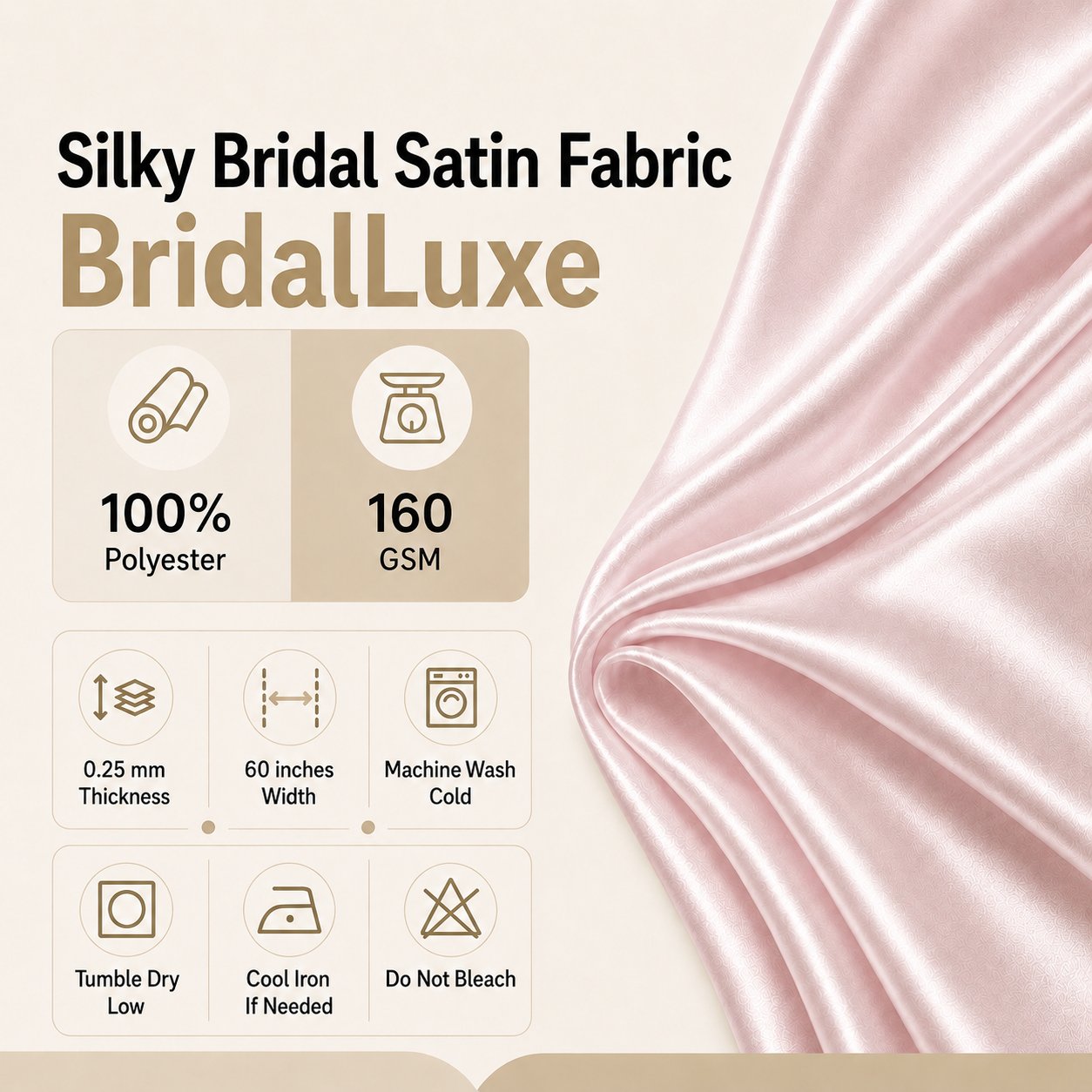
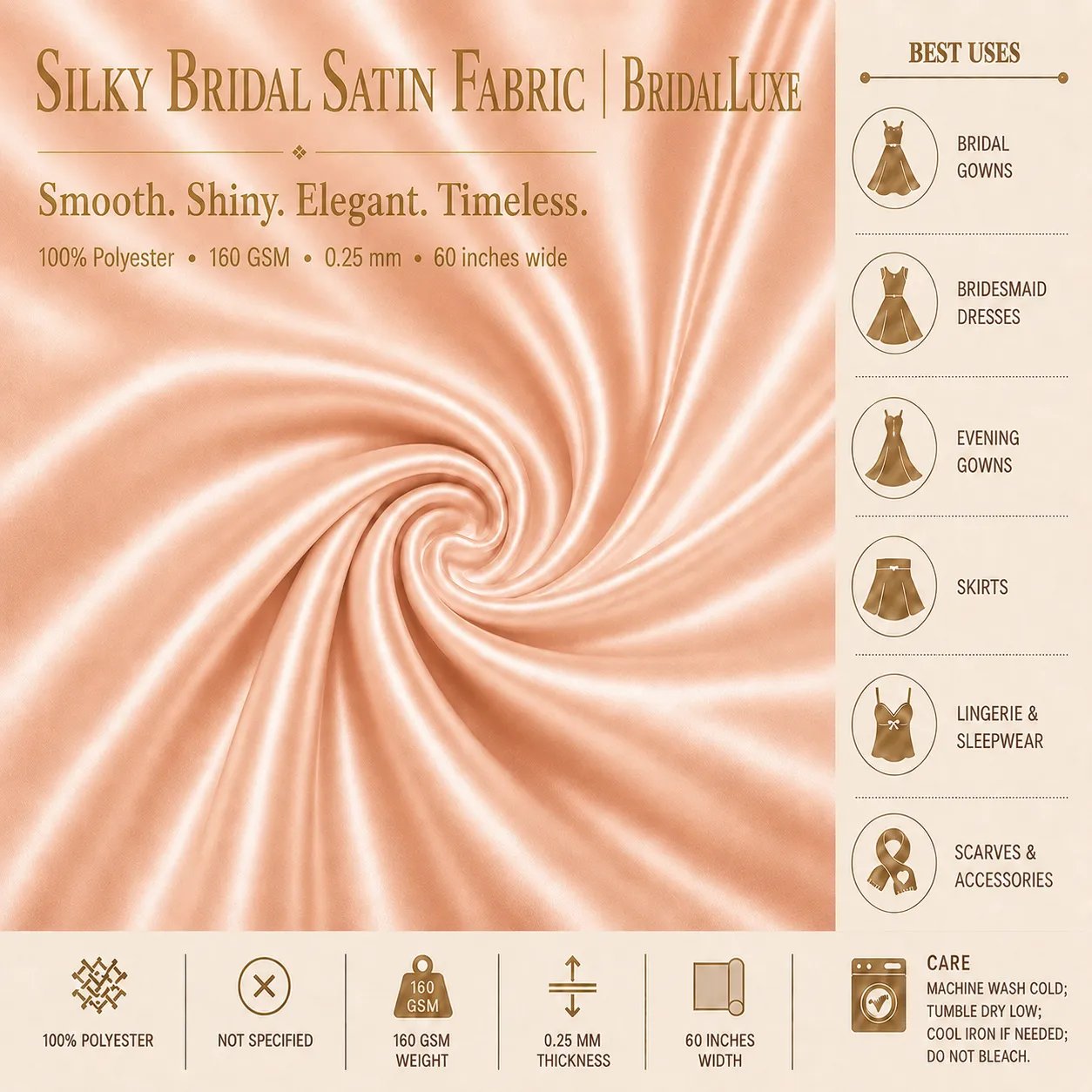
Content: 100% Polyester
Weight: 160 gsm
Thickness: 0.25mm
Pattern Info: Solid
Width: 60" / Yard
Length: 36" / Yard
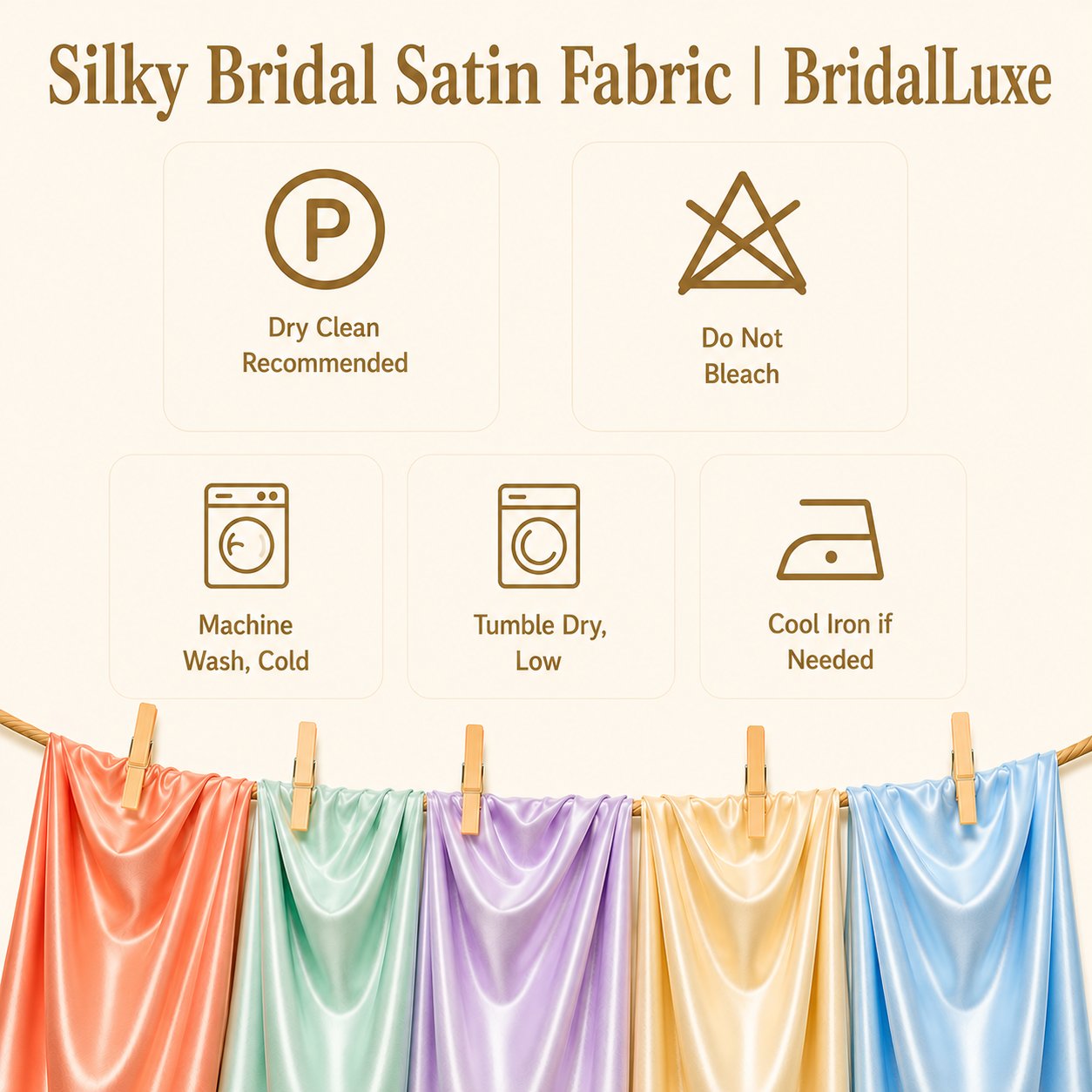
Care: Machine Wash, Cold; Tumble Dry, Low; Cool Iron if Needed; Do Not Bleach.
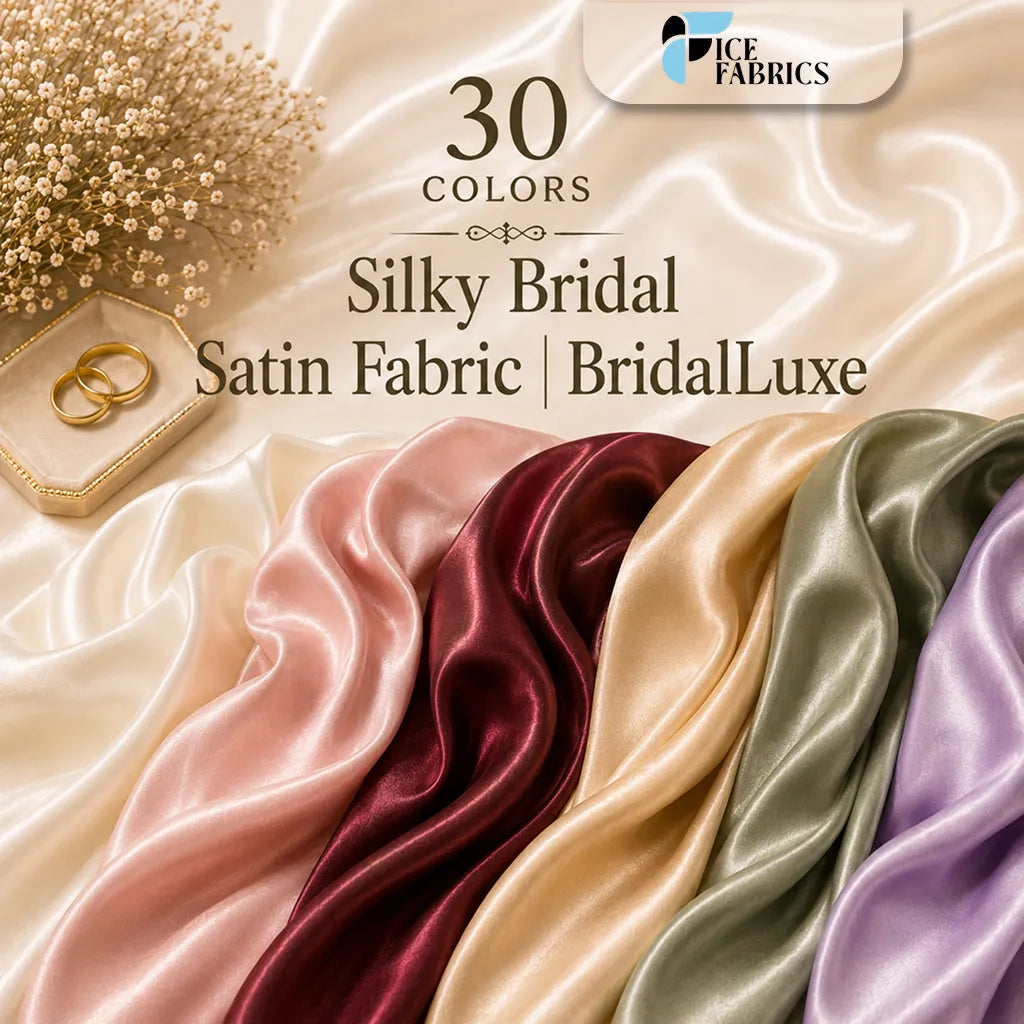
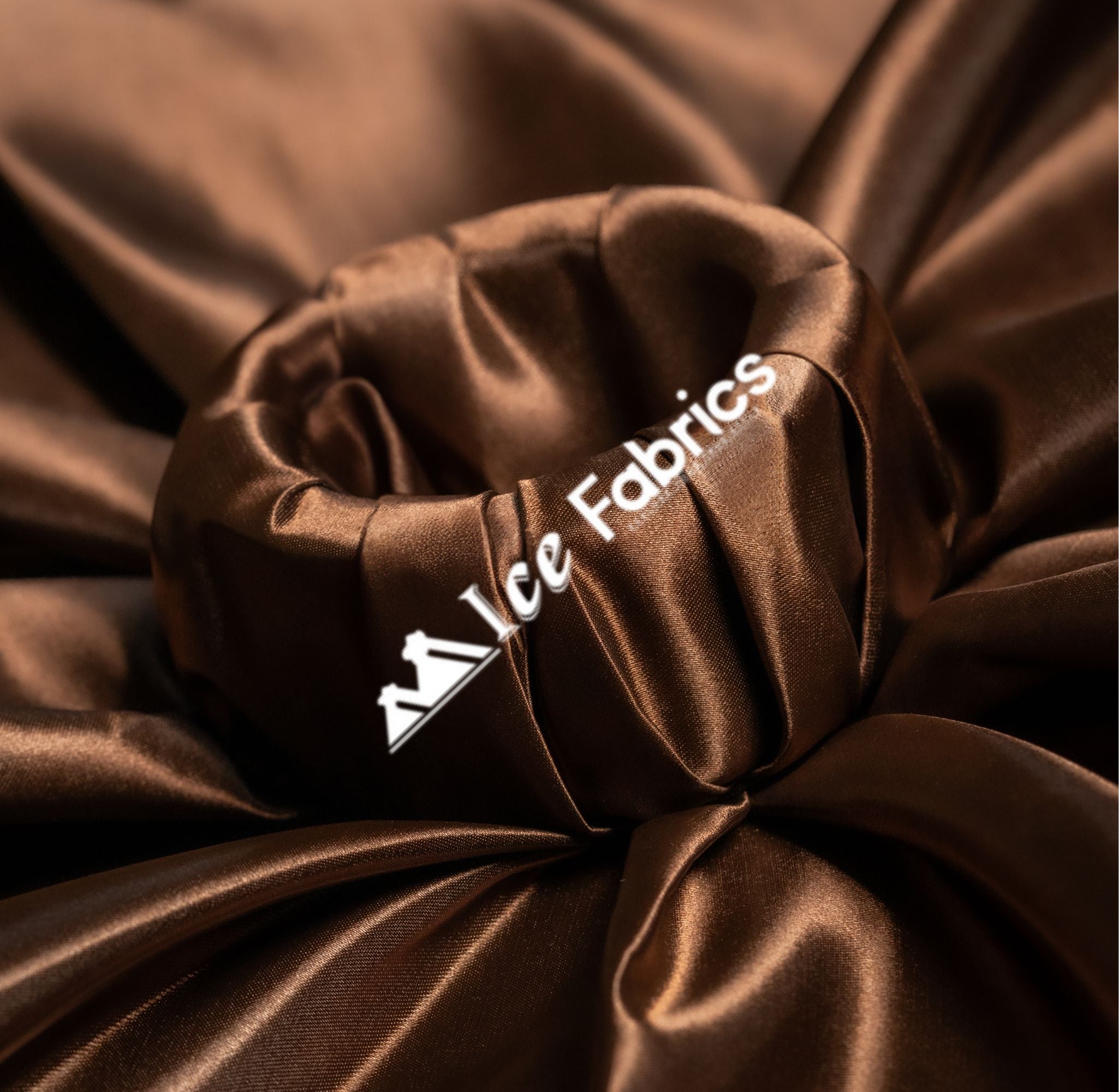
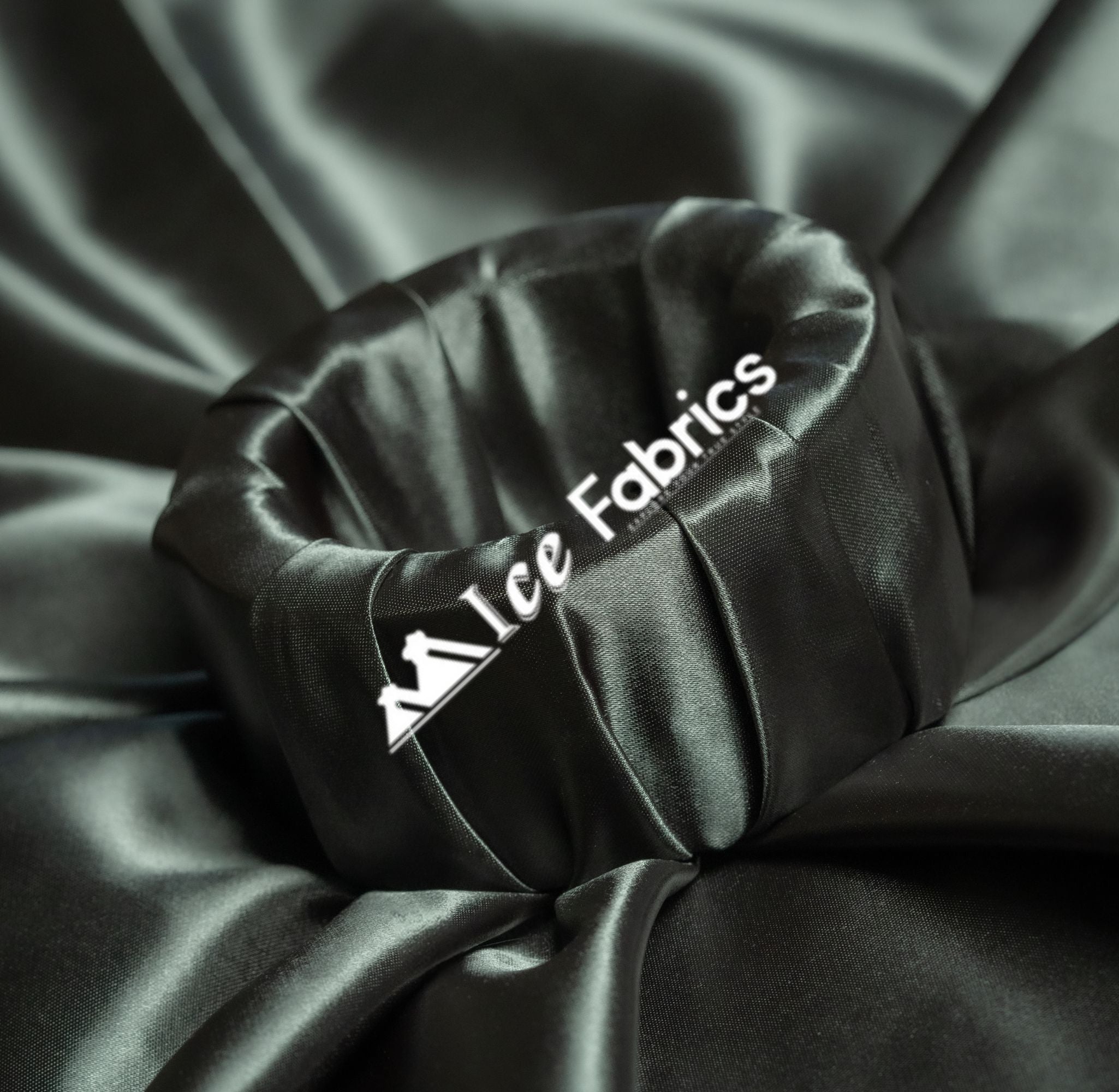
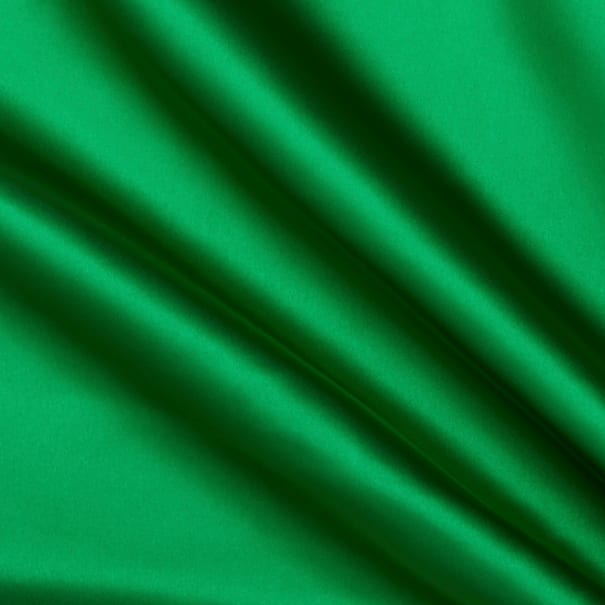
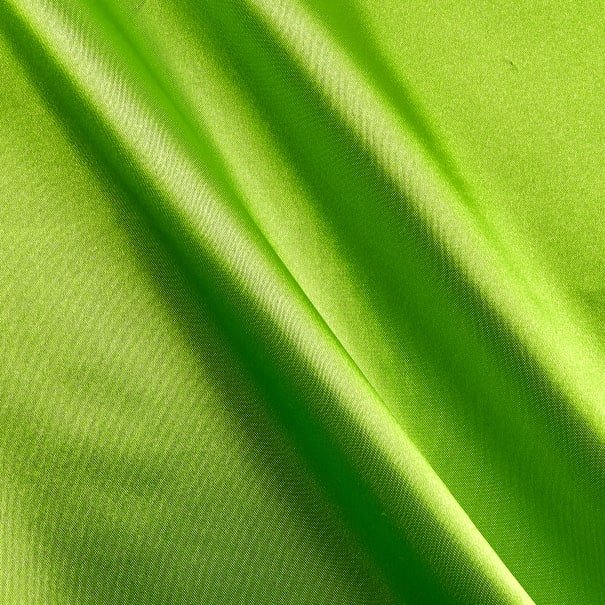
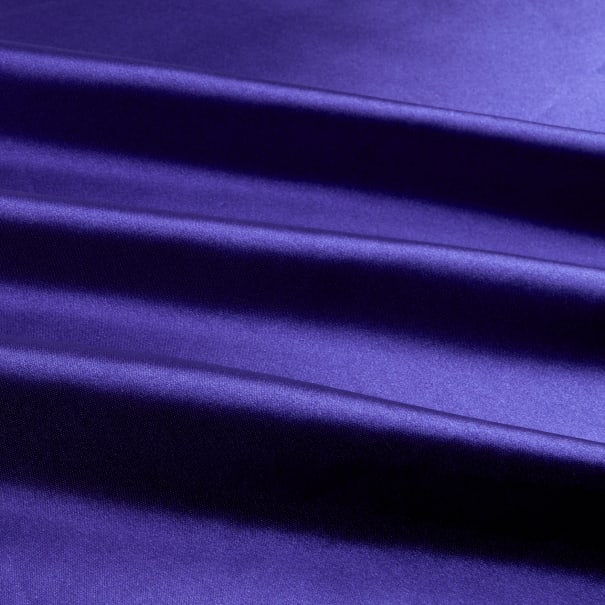
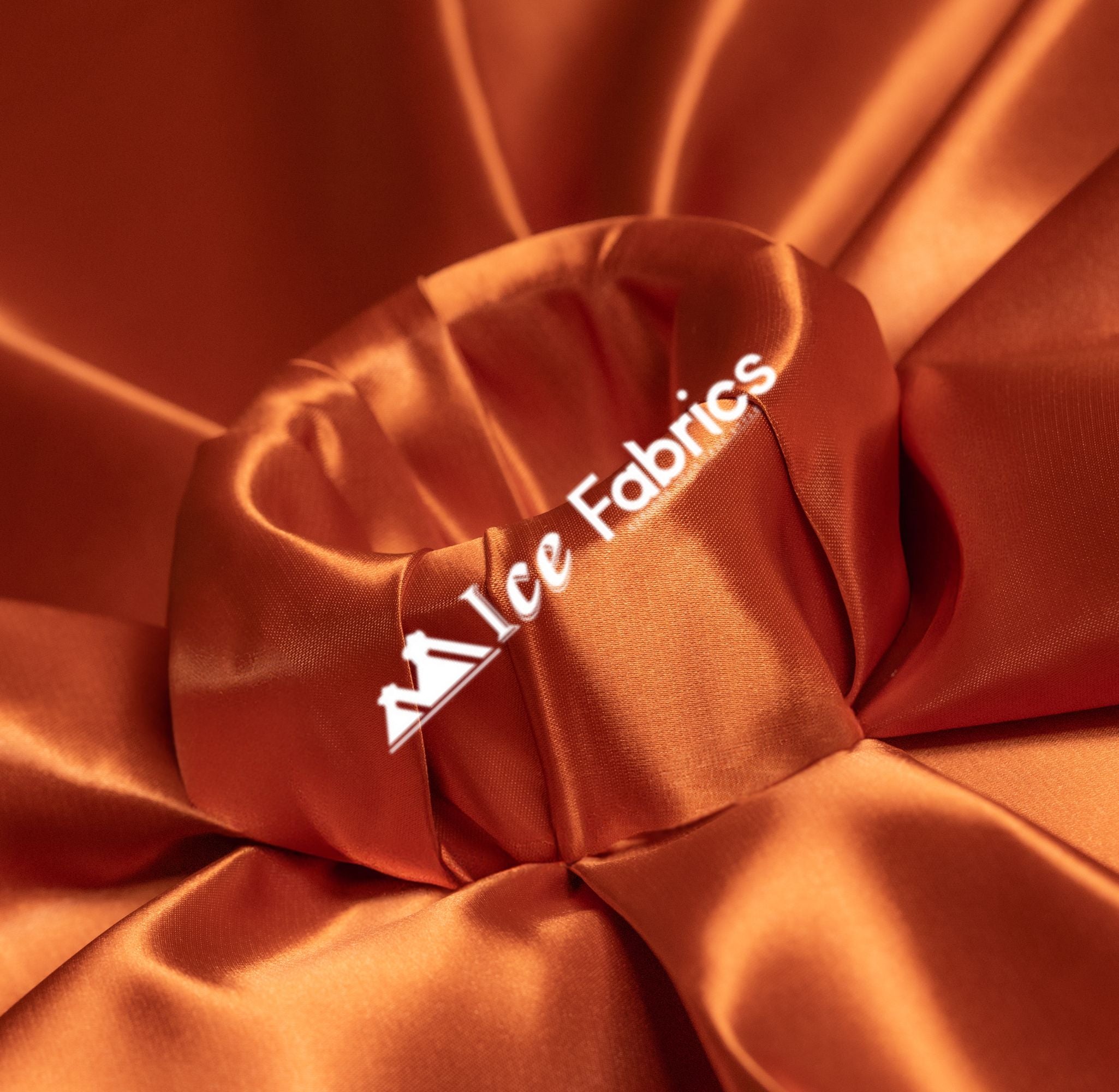
Satin drapery fabric is a smooth, lustrous curtain material with a glossy face and a soft back, made to hang in clean, fluid folds. Our Silky Satin Drapery Fabric gives windows a polished, hotel-style finish that catches light without looking harsh. It is sold by the yard, comes in a wide color range, and works for both everyday rooms and formal event styling.
If you want curtains that look expensive without the price of real silk, this is the fabric to reach for. Polyester satin holds color better, resists fading in sunlight, and costs a fraction of silk while keeping the same shine.
Satin is not a fiber. It is a weave. In a satin weave, the yarns float over several threads before dipping under one, which is what creates that smooth, reflective surface. Because there are so few interruptions on the face of the cloth, light bounces off it evenly instead of scattering.
Satin drapery fabric takes that same weave and builds it at a weight suited to windows rather than clothing. Apparel satin is often too light and slippery to hang well on a long panel. Drapery-weight satin has enough body to fall straight, hold a pleat, and resist blowing around every time a door opens.
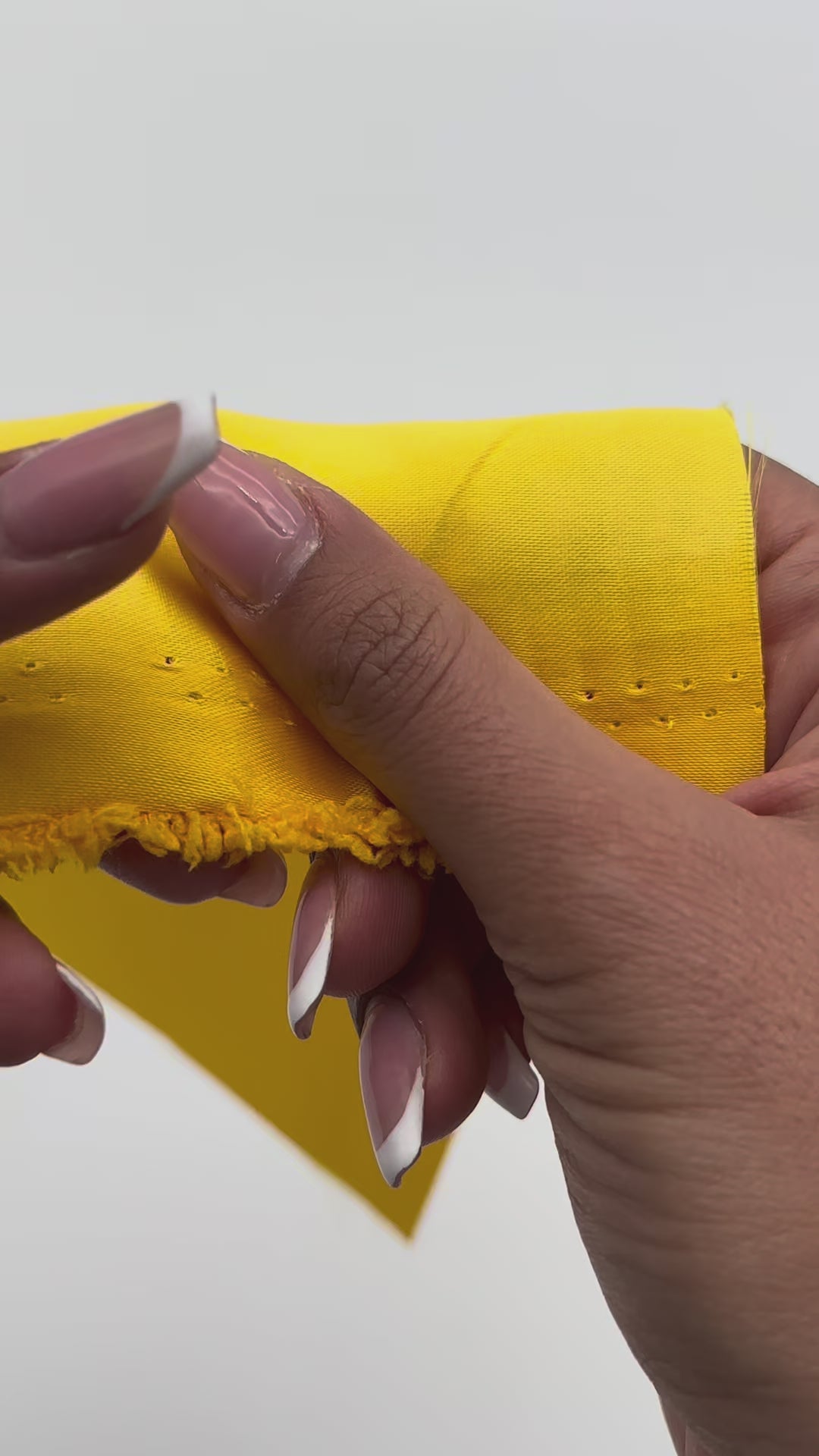
The back of the satin fabric is matte and slightly textured. That is normal and intentional. It means the shine faces into the room while the reverse side, which your neighbors see from outside, stays soft and neutral.
| Measurement | Details |
|---|---|
| Sold By | The Yard |
| Content | 100% Polyester |
| Length | 36 inches per yard |
| Width | 58 inches |
| Finish | Glossy face, matte back |
| Pattern | Solid |
The 58 inch width matters more than most people realize. Standard drapery panels finish between 25 and 50 inches wide, so one cut of this fabric usually covers a full panel with no seaming.
Narrower fabrics force you to join widths, and a vertical seam down a shiny curtain is very hard to hide.
It reflects light instead of absorbing it. Dark rooms feel bigger and brighter with satin panels because the surface bounces both daylight and lamplight back into the space. This is why designers use satin in north-facing rooms, dining rooms, and hallways that never get direct sun.
It drapes with weight and control. The dense weave gives panels enough heft to hang plumb from the rod. You get deep, even folds rather than the flat, papery look you get from cheap lining fabrics.
It resists wrinkles. Polyester satin recovers from creases far better than silk or linen. For curtains that stay hung for months at a time, this is a practical advantage, not a small one.
It holds color. Polyester takes dye deep into the fiber, so shades stay rich. Silk and natural fibers fade noticeably faster in a sunny window.
It is affordable at scale. A pair of floor-length drapes takes real yardage. Buying satin curtain material by the yard keeps a full-room project reasonable, especially when you are doing three or four windows.
Satin vs velvet. Velvet is heavier, blocks more light, and insulates better. Satin is lighter, shinier, and reflects light instead of soaking it up. Choose velvet for bedrooms and media rooms, satin for living and dining spaces where brightness helps.
Satin vs sheers. Sheer fabrics filter light and offer only daytime privacy. Satin is opaque and gives full privacy day and night. Many rooms use both, with a sheer layer on the inner rod and satin panels on the outer rod.
Satin vs matte polyester. Matte satin has the same weave and drape without the shine. If a room already has a lot of glossy surfaces, matte is the safer pick. If the room reads flat, silky satin adds the missing dimension.
Satin vs silk. Real silk satin is beautiful and expensive, and it degrades in sunlight. Silky satin drapery fabric gives you the look with far better UV performance and machine-washable care.
The drapery trade works on a fullness ratio. For standard curtain panels, the accepted range is 2 to 2.5 times the width of your window or rod. Below 2x, curtains look skimpy and hang flat when closed. Above 2.5x, you get very deep folds but also a heavy stack when the curtains are open.
Here is the simple version. Measure your rod width, multiply by 2.5, then divide by 58 to find how many widths of fabric you need. For length, measure from the rod to where you want the hem, then add 12 inches. That allowance covers a 4 inch double hem at the bottom and a header at the top, which is the standard finish for lined and unlined drapery.
For rod placement, hanging the rod 4 to 6 inches above the window frame and extending it 6 to 10 inches past each side makes windows look taller and wider. This is a small change that makes a big visual difference.
Satin is slippery, so pin generously and cut on a flat surface rather than letting the fabric hang off the table. Use a fine, sharp needle in size 70 or 80 and lightweight polyester thread. A universal needle can snag the floats in a satin weave and leave visible pulls.
Press on the reverse side with a low iron and a pressing cloth. Direct heat on the face of the fabric can flatten the shine permanently, and that shiny scorch mark does not come out.
For hems, a 4 inch double-fold bottom hem gives panels weight and helps them hang straight. Adding drapery weights at the corners is worth the few extra minutes. If you plan to line the panels, cut the lining 2 inches narrower than the face fabric so the lining never peeks around the edges.
Machine wash cold on a gentle cycle, or hand wash with a mild detergent. Skip the bleach and skip fabric softener, since softener can dull the sheen over time.
Hang the panels to dry, or tumble on low for a few minutes and then rehang while slightly damp so the weight of the fabric pulls the wrinkles out. A handheld steamer works well on curtains that are already hung. Steam from the back of the panel rather than the face.
To protect color, avoid leaving panels pushed into a hard fold in direct sun for months at a time. Rotating your panels once a year evens out any light exposure.
Ice Fabrics has supplied fabric to designers, drapery workrooms, event planners, and home sewers for years, and consistency is the reason customers come back. When you reorder a color six months later for a second room, it matches the first.
We sell satin drapery fabric by the yard with no minimum, so you can order a swatch length first, check the color in your actual room light, and then commit to the full amount. Colors read differently under warm bulbs than they do on a screen, and this is the step most people skip.
You will also find matching fabrics across our drapery collection if you want to layer, plus stretch satin if a project needs give. Our guide on choosing the right satin fabric covers weight and finish differences in more detail.
Yes. Satin drapery fabric is opaque, hangs in smooth folds, and reflects light into the room. It suits living rooms, dining rooms, and formal spaces. For full room darkening in a bedroom, add a blackout lining behind it.
Satin blocks most light on its own because it is a dense, opaque weave. It is not a true blackout fabric. Pairing it with a blackout liner gives you complete darkness while keeping the satin face visible from inside the room.
Polyester satin holds color much better than silk or natural fibers. Any curtain fades eventually in direct all-day sun, but polyester is one of the more UV-stable options available.
Multiply your rod width by 2.5, divide by 58, and round up to get your number of widths. Then multiply by your finished length plus 12 inches. A standard 60 inch wide window with 84 inch panels usually needs about 6 yards.
Yes. Satin is one of the most common fabrics for wedding backdrops, ceiling draping, and arch swags because the shine photographs well under lighting.
Cut with sharp shears or a rotary cutter, finish raw edges with a serger or a narrow zigzag, and use French seams where both sides of the fabric will be visible.
Follow Ice Fabrics on Facebook and Instagram for styling ideas, new colors, and project inspiration.